As an Amazon Associate I earn from qualifying purchases. These links may earn this site a commission when you buy, at no extra cost to you.
Answering buyers seeking compact, portable propulsion: these 2.5 HP outboard motors are lightweight, fuel-efficient, and designed for small boats, dinghies, and kayaks. They’re ideal for weekend anglers, aquacultural tasks, or emergency propulsion where budget and maneuverability matter. The top picks cover short shafts, air-cooled designs, and easy-start CDI systems. For best results, match a motor to your craft’s length, fuel capacity, and anticipated operating conditions. The table below highlights five suitable options and who they suit best.
| Product | Best For | Why It Stands Out |
|---|---|---|
| 52CC Short Shaft Outboard Motor, 2.5 HP | Ultra‑compact boats under 9.8 ft; kayaks | Lightweight, strong heat dissipation, clear external fuel view. |
| 52CC Outboard Motor, 2 Stroke 2.5 HP | Inflatable boats and small dinghies | Air cooling, CDI ignition, visible external fuel tank. |
| 52CC 2.3 HP Outboard Motor | Budget-conscious small boats for short trips | Quick start, air cooling, decent runtime between refuels. |
| 2 Stroke 3.5HP Outboard Motor | Small boats needing a bit more power | High RPM for faster response, lightweight for portability. |
| 4 Stroke Small Outboard Motor 4 hp | Kayaks and canoes needing steadier pull | Reliable 4‑stroke design with larger fuel capacity. |
52CC Short Shaft Outboard Motor, 2.5 HP

Features promise quick-start performance and robust heat dissipation. The motor delivers up to 8500 RPM with a 2.5‑horsepower output and includes an air cooling system to reduce overheating. The external fuel tank design helps keep fuel levels visible for timely replenishment. Best for: small, light boats under 9.8 ft and short trips where weight and simple operation matter. Limitation: runtime between refuels can be shorter due to compact fuel capacity.
52CC Outboard Motor, 2 Stroke 2.5 HP
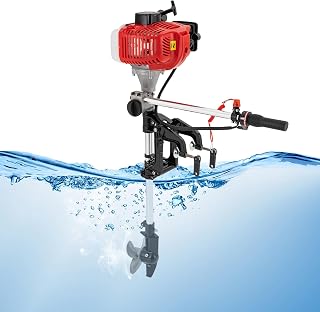
This 2.5 HP two-stroke outboard emphasizes CDI ignition and an external fuel tank with a clear view. It’s best for inflatable boats and small rubber boats needing dependable, simple propulsion. Choose this if you want straightforward starting and easy fuel monitoring. Caution: two-stroke engines require correct oil-fuel mixture and maintenance to extend life.
52CC 2.3 HP Outboard Motor

This slightly lower-horsepower option prioritizes quick start via CDI ignition and efficient heat dissipation through housing ventilation. Best for budget-minded buyers with compact craft and short-range outings. It runs 40–70 minutes on a filled oil mix, making it suitable for short trips or auxiliary propulsion. Better for: occasional use rather than long-haul cruising; avoid if you need sustained high RPM for extended periods.
2 Stroke 3.5HP Outboard Motor

Although slightly more powerful than 2.5 HP models, this motor remains compact and portable. It delivers up to 5000 RPM with a streamlined three‑blade propeller to reduce drag. Best for: small boats or kayaks where faster acceleration is beneficial. Limitation: higher RPM can increase fuel use; balance with expected trip duration.
4 Stroke Small Outboard Motor 4 hp

This 4 HP design offers a traditional four-stroke engine for better fuel efficiency and steadier power. With a 1.75L fuel tank, it supports longer trips and smoother operation across saltwater and freshwater. Best for: canoes, kayaks, and small aluminum boats needing reliable, quieter propulsion. Limitation: somewhat heavier than two-stroke counterparts; ensure your vessel can handle the extra weight.
Buying Guide: Key Purchase Considerations
- Boat length and shaft type: Short shaft motors fit small boats up to about 9–10 feet; long shafts suit deeper hulls. Verify your boat’s transom height before buying.
- Power needs and RPM: For leisurely propulsion, 2.5 HP is often sufficient. If you require quicker response or plan to carry heavier loads, consider near‑4 HP options, but ensure your boat can handle the extra weight and fuel use.
- Fuel type and efficiency: Two-stroke engines tend to be lighter and cheaper but require oil-fuel mixtures; four-stroke engines are generally cleaner and more fuel-efficient but heavier.
- Cooling and ignition: Air cooling helps with simple maintenance and portability. CDI ignition enables easier starts; ensure you understand the starting procedure for quick deployment.
- Fuel capacity and runtime: External fuel tanks provide visibility and easier topping up but watch for end-of-trip fuel needs; plan trips around tank capacity.
- Durability and materials: Look for corrosion-resistant components if you plan to use in saltwater. Aluminum, steel, and durable plastics contribute to longevity.
- Maintenance considerations: Regular oil mixing (for two-strokes), propeller inspection, and cooling system checks help prevent issues on lengthy trips.
Frequently Asked Questions
- What is a typical runtime for a 2.5 HP outboard on a small boat?
- Are two-stroke 2.5 HP motors easy to start?
- Is a 2.5 HP motor enough for inflatable boats?
- Should I choose air-cooled or water-cooled outboards?
- What maintenance should I perform regularly?
- Can I use these motors on a kayak?
Runtime varies with fuel tank size and RPM, but compact 2.5 HP models often run for 40–70 minutes on a small oil mix or up to an hour or more with efficient fueling and lower RPM.
Yes, many include CDI ignition and hand-pull starts designed for quick activation, though correct fuel-oil mixture is essential for reliability.
For light inflatable boats and short excursions, a 2.5 HP motor typically provides adequate thrust, especially on calm water. For heavier inflatables or choppier conditions, consider a higher horsepower option.
Air-cooled designs are simpler, lighter, and easier to maintain, making them ideal for portable use. Water-cooled systems can offer smoother operation on longer trips but may require more maintenance.
Regularly inspect the propeller, check the fuel/oil mix for two-strokes, verify cooling passages, and ensure the CDI system and ignition components function correctly. For saltwater use, rinse with fresh water after each trip.
Yes, several 2.5 HP models are designed for small boats, canoes, and kayaks. Ensure transom compatibility and weight capacity before mounting.
These 2.5 HP options offer a balance of portability, ease of use, and sufficient power for small boats and paddling craft. When selecting, prioritize your vessel’s size, typical water conditions, and desired runtime. The right motor improves maneuverability, reduces fatigue, and expands your capabilities on the water.


