As an Amazon Associate I earn from qualifying purchases. These links may earn this site a commission when you buy, at no extra cost to you.
The best 3 horsepower boat motors combine compact power, reliability, and fuel efficiency for small boats, kayaks, inflatables, and dinghies. This guide highlights five suitable options and explains who each is best for, plus practical buying tips. Whether you want a lightweight gas model for quick trips or a compact electric option for silent cruising, these picks balance performance with portability.
Buyer summary table (selected products):
| Product | Best For | Power Type | Key Benefit |
|---|---|---|---|
| Gosangom 3.5HP Outboard | Frequent short trips on small boats | Gas 2-stroke | High power in a compact package |
| CheriMuMu 3.5HP Outboard | Kayaks, dinghies, inflatable boats | Gas 2-stroke | Efficient, lightweight with CDI ignition |
| NAZEAOB 18HP Outboard | Heavier loads, faster travel | Gas 2-stroke | Strong power for larger small boats |
| BJTDLLX 6HP Outboard | Robust propulsion for small fishing boats | Gas 2-stroke | 360° steering, solid build |
| VEVOR 3HP Electric Motor | Quiet, electric propulsion for calm waters | Electric | Low noise, reliable torque |
Gosangom 3.5HP Outboard Motor

Power: 3.5HP (2-stroke) with a weight-friendly design. The engine uses a lightweight aluminum alloy frame and offers a compact footprint suitable for small boats. It claims a top speed on the water aided by a streamlined propeller. Best for: boaters who need a strong, portable engine for short to medium trips with minimal setup.
Key reasons for selection: The 2-stroke platform provides competitive power for its size and a reasonable fuel profile for quick outings. It supports a short shaft configuration, making it a fit for dinghies and light craft. Limitation: fuel efficiency varies with load and operating conditions; ensure proper fueling and maintenance for best performance.
CheriMuMu 2 Stroke 3.5HP Outboard Motor

Power: 3.5HP, 2-stroke with CDI ignition and water cooling. This unit emphasizes portability with a lightweight footprint and is designed for rubber boats, inflatable boats, and small sailboats. Best for: anglers and hobbyists needing a compact engine that is easy to transport and quick to start.
Key reasons for selection: High thrust-to-weight ratio and CDI ignition for reliable starts. Limitation: as a 2-stroke, it requires mix fuel and regular maintenance; heavier users should monitor fuel consumption and engine heat during long runs.
BJTDLLX 6HP Outboard Motor

Power: 6HP, short shaft option with a corrosion-protected aluminum body. It features 360° steering rotation for flexible maneuverability and is designed for small watercraft like fishing boats and dinghies. Best for: boaters who need more power and precise steering on compact vessels. Limitation: higher horsepower means more weight and fuel consumption compared to 3.5HP models.
NAZEAOB 18HP Outboard Motor

Power: 18HP, 246cc two-stroke engine, with water cooling and CDI ignition. This model offers substantial propulsion for larger small boats and heavier loads, enabling faster travel and greater versatility. Best for: boaters who want strong propulsion for bigger crafts or when carrying more gear. Limitation: heavier and more fuel-hungry than smaller 3.5HP options; consider fuel accessibility and handling on windy days.
VEVOR 3 HP Electric Motor
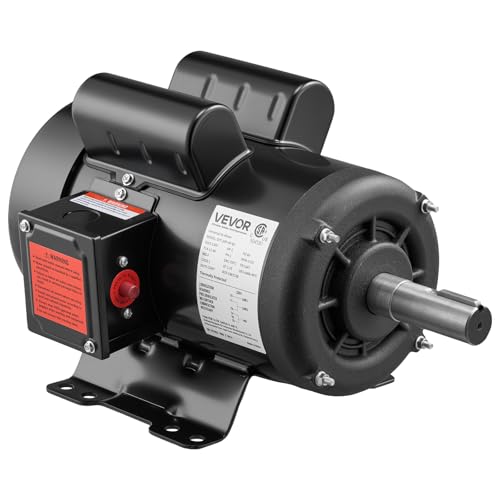
Power: 3HP electric motor with 1750RPM and a 1.125 inch shaft. This single-phase AC motor is designed for quiet propulsion with low maintenance and steady torque. Best for: anglers and boaters who prioritize silence and consistent, clean energy on calm waters. Limitation: electric propulsion depends on reliable battery or power source and may offer less raw thrust compared to gas engines in open-water conditions.
Buying Guide
What should you consider when choosing a 3HP (or near-3HP) boat motor?
- Power source: Gas 2-stroke models deliver strong thrust but require fuel and more maintenance. Electric motors offer quiet operation and easier maintenance but depend on power sources and may have lower peak thrust.
- Boat type and shaft length: Short shaft motors suit small crafts; long shafts add depth for deeper water or larger waves. Ensure shaft length matches your transom height.
- Weight and portability: Lighter models are easier to transport and install on kayaks and inflatables; consider your lifting capability and storage space.
- Fuel efficiency and runtime: For gas engines, check fuel consumption per hour and expected runtime; for electric motors, evaluate battery capacity and recharge time.
- Durability and corrosion resistance: Saltwater use benefits from corrosion-resistant materials and protective coatings.
- Ease of starting and maintenance: CDI ignition, carburetor design, and simple maintenance routines reduce downtime during trips.
What else to check before you buy
- Compatibility with your boat’s transom and mounting system.
- Availability of spare parts and reliable local service support.
- Noise levels and vibration, especially for fishing or wildlife viewing.
- Warranty or return policy considerations for used or refurbished engines.
- Safety features such as kill switch compatibility and proper ventilation for fuel engines.
Frequently Asked Questions
- What is a practical use case for a 3HP outboard?
For small boats, kayaks, and inflatable crafts, a 3HP engine provides enough thrust for calm waters without excessive weight or fuel use. - Is electric propulsion viable for saltwater use?
Electric motors can work in saltwater with proper corrosion protection and a reliable power source, but supply and battery management are essential. - How important is shaft length?
Shaft length affects propeller immersion and performance; choose based on transom height and water depth concerns. - Can I upgrade from a 3.5HP to a higher HP later?
Yes, but you’ll need to consider boat rating, mounting compatibility, weight, fuel capacity, and balance on the transom. - What maintenance is essential for 2-stroke outboards?
Regular fuel/oil mixing, spark/ CDI checks, cooling system inspection, and thorough cleaning after saltwater use are important. - Are 3HP engines street-legal and safe for all waters?
Regulations vary; always follow local boating laws, wear life jackets, and use safety devices as required.


