
If you’re searching for a mechanical steering solution to pair with a boat autopilot, you’ll find several dependable options that fit dash-mounted or remote configurations. These systems are best for small to mid-sized boats, sailboats, and craft using mechanical or hydraulic steering components. The following picks are linked to Amazon listings and reflect common setups, ease of installation, and clear mechanical control. The buyer outlines below highlight who each product is best for and why it was chosen.
| Product | Brand | Best For |
|---|---|---|
| Octopus OCTAFMDTPW Behind The Dash Mechanical Drive | Octopus | Dash-mounted, tilt-wheel configurations; when you need to adjust wheel angle |
| Marine Outboard Rotary Mechanical Steering Helm System (YK7) | Kesoto | Dash-mounted helm for boats with YK7 system; easy connection |
| Octopus OCTAFMDRSSYS8 Sailboat Drive | Octopus | 8″ stroke drive for sailboats; compact footprint |
| Octopus OCTAFMDRESYSA Mechanical Remote Stern Drive | Octopus | Remote stern drive with simple install; no hydraulic changes |
| VEVOR Boat Steering Cable 12′ Kit | Bestauto | Complete rotary steering kit for varied boats; long cable reach |
Octopus Behind The Dash Mechanical Drive

The drive unit replaces a manual tilt drive and mounts directly behind the dash. It allows adjustment of the steering wheel angle and uses the front end from Teleflex Sh91800 (not supplied). This option is best for boaters who want to maintain a traditional dash setup while adding autopilot compatibility. Best for boats with a dash-mounted steering arrangement and where wheel angle adjustment is needed without changing the steering system entirely. A potential limitation is reliance on an existing steering front end compatible with the Teleflex component, which may require additional parts.
Kesoto YK7 Mechanical Steering Helm

The Kesoto YK7 helm assembly is designed for direct dashboard mounting with a simple connection process and minimal feedback. It’s suitable for boats where the engine’s maximum rating and speed constraints are known and adhered to. This option is best for owners seeking a straightforward, non-hydraulic mechanical steering upgrade with predictable steering feel. A caution is that correct match with engine rating and boat specifications is essential to ensure safe operation at higher speeds.
Octopus OCTAFMDRSSYS8 Sailboat Drive
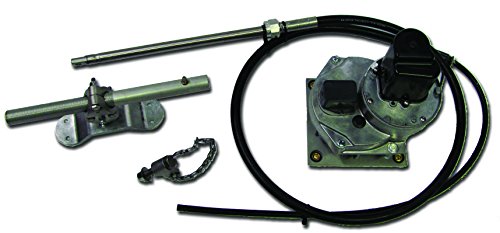
This Type Rs drive features an 8″ stroke, a 6 ft steering cable, and a universal connection kit. The remote drive unit has a compact footprint and can be mounted in flexible locations, horizontally or vertically. A manual override is available without disengaging the autopilot first. It’s best for sailboats or smaller powerboats where space is at a premium and precise rudder control is needed. A potential limitation is ensuring the steering linkage aligns with existing hardware and rudder geometry.
Octopus OCTAFMDRESYSA Mechanical Remote Stern Drive
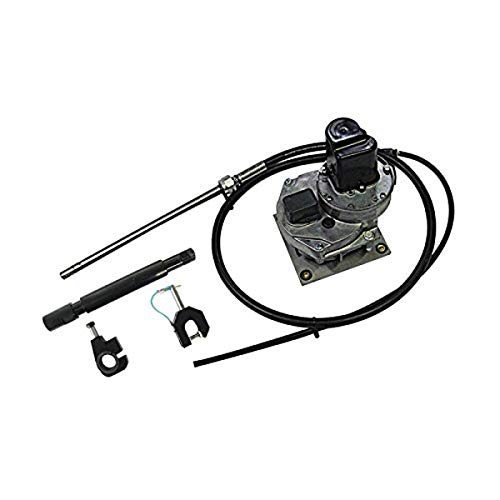
This mechanical remote stern drive offers a simple install with no need to switch to hydraulic steering. It includes a straightforward kit and provides a manual override option that does not require disengaging autopilot. Best for boats seeking to retain a mechanical steering feel while enabling autopilot functionality. The limitation is that installation must be compatible with stern-drive geometry and existing rigging.
VEVOR Boat Steering Cable 12′ Kit

The 12-foot steering cable kit includes a 3/4″ tapered shaft, a 13.5″ steering wheel, a 90-degree bezel kit, and hardware. Designed to improve steering accuracy and reliability, it supports various rudder and cylinder configurations. This option is best for longer cable runs or when upgrading a complete rotary steering setup. A potential drawback is ensuring cable length matches the boat’s geometry and helm placement.
Buying Guide
- What configuration do you want? Dash-mounted vs remote stern drive affects installation and steering feel. Dash options preserve the existing cockpit layout, while remote stern drives offer flexible mounting locations.
- Compatibility with steering systems Whether you have hydraulic, mechanical, or mixed steering, verify that the unit integrates with your current system and does not require hydraulic conversion.
- Boat size and speed considerations Larger boats or sailboats often benefit from longer strokes and stronger linkages. Ensure the drive length and cable reach suit your vessel’s dimensions.
- Manual override and autopilot interaction Look for a model that allows manual control without fully disengaging autopilot, enabling safer override in unexpected conditions.
- Space and mounting requirements Assess dash depth, stern area, and available space for mounting hardware. Compact footprints help in tight cockpits or pilothouses.
- Maintenance and materials Aluminum and corrosion-resistant components prolong life in saltwater. Check for ease of maintenance and replaceable parts.
Frequently Asked Questions
- What is a mechanical steering autopilot? It is a steering system that uses mechanical linkages or cables to operate a boat’s rudder, often integrated with an autopilot for automatic course corrections.
- Can I retrofit an autopilot to a mechanical steering setup? Yes, many mechanical systems support autopilot integration, but ensure the drive unit and helm are compatible with your autopilot controller.
- Do I need hydraulic components for autopilot? Not necessarily. Many mechanical drives work with autopilots without hydraulic changes, though some systems may require hydraulic steering to optimize performance.
- Is a longer steering cable better? A longer cable increases installation flexibility but may affect stiffness and responsiveness. Choose a length that matches your boat’s layout.
- What maintenance is required? Regularly inspect mounting hardware, check for wear on cables, and replace worn components to maintain accurate control.
- Who should install these systems? A qualified marine technician or an experienced boat owner familiar with mechanical steering and autopilot integration should perform the installation to ensure safety.