
When winterizing a boat, keeping the engine compartment and bilge warm is essential to prevent freezing damage. This guide highlights five reliable boat engine heaters designed for cold-weather use, helping you choose the right model for your vessel. The top picks cover compact cabins, large engine bays, and various mounting options. Best for seasonal boaters, live-aboards, and storage-prep crews who want dependable protection against freezing temperatures.
Summary table of featured products:
| Product | Best For | Key Benefit |
|---|---|---|
| Therelmax Boat Engine Compartment Heater | Small to midsize boats, bilge protection | Fast 3-second heating with adjustable thermostat |
| Xtreme Heaters 400W / 700W Series | Versatile marine installs, multiple power needs | PTC self-regulating heating, durable build |
| Haoguo 500W Bilge Heater | Compact engine bays, reliability-focused users | Auto on/off with safe overcurrent protection |
| Binmaton 700W Dual-Component Heater | Harsh winter conditions, larger compartments | Redundant components for continuous operation |
| Twin Hornet 700W Boat Heater | High-value assets, rugged environments | Dual thermostats and dual heating modules |
Therelmax 500W Boat Engine Heater
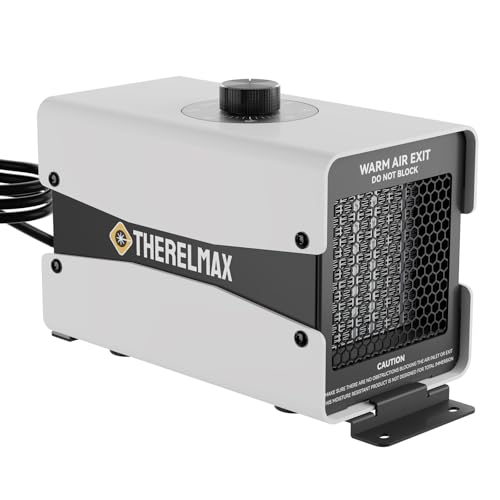
This built-in thermostat heater is designed for boat engine compartments and bilges. It delivers 500W of heat via a safe PTC element and includes a waterproof fan to reduce condensation risks. Best for smaller to mid-size boats needing quick warmth to prevent freezing during cold weather.
Who it’s best for: boaters seeking a simple, plug-and-play solution with a built-in thermostat to maintain a defined temperature range. Why selected: compact design, quick heat response, and integrated safety features make it a strong all-around choice for winterizing.
Caution: ensure proper installation to avoid obstructing airflow channels or creating hot spots in confined spaces.
Xtreme Heaters 400W Marine Bilge Heater

This 400W model targets engine compartments, cabins, and entry-level winter storage needs. Its self-regulating PTC element turns on around 40°F and turns off around 55°F, helping maintain consistent temperatures without manual adjustments. Durable anodized housing and a waterproof fan support long-term operation.
Who it’s best for: boaters who want a straightforward, dependable heater for smaller engine bays and storage applications. Why selected: reliable automatic temperature control and compact, versatile mounting options.
Caution: slightly lower wattage may be insufficient for larger bays—consider higher-capacity options if your space exceeds 350 cu ft.
Haoguo 500W Self-Regulating Bilge Heater
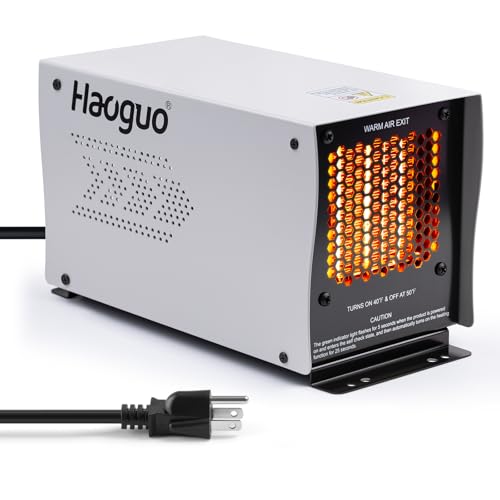
The Haoguo 500W model provides effective freeze protection for bilges, pumps, and engine components up to 400 cu ft. It features a self-regulating PTC ceramic element with auto temperature control, and a built-in overcurrent protection, promoting safe operation in cold marine environments.
Who it’s best for: boat owners with compact engine bays who prioritize automatic, maintenance-free heating and safety protections. Why selected: strong safety features and quiet operation.
Caution: performance may vary in spaces larger than its intended range; verify cubic footage against your boat’s layout.
Twin Hornet 700W Boat Engine Heater
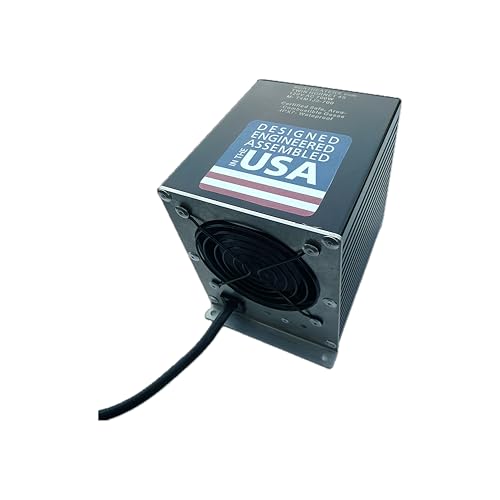
This 700W dual-component heater targets higher-demand scenarios. It includes two self-regulating heating modules, two waterproof thermostats, and two fans rated for long service life. The design emphasizes redundancy for protecting high-value assets during extreme winter conditions.
Who it’s best for: owners with larger engine compartments or those seeking extra reliability through dual components. Why selected: dual heating modules offer better protection against failure in harsh environments.
Caution: higher power demand may require a robust electrical setup; confirm your vessel’s electrical capacity before installation.
Buying Guide: How to Choose the Right Boat Engine Heater
- Boatyard and bay size: Measure your engine compartment or bilge volume (in cubic feet). Choose wattage to ensure the heater can raise and maintain a safe temperature without overworking the unit. Larger spaces benefit from higher-watt options or dual-component designs.
- Heating method: Self-regulating PTC heaters adjust output based on temperature, reducing risk of overheating. Thermostats provide precise target temps, useful for sensitive equipment. For remote or drafty bays, consider units with a waterproof fan and sealed electronics.
- Mounting and orientation: Some models allow flexible mounting or even upside-down installation. Ensure there’s clear airflow and that wiring is protected from moisture and salt spray.
- Safety features: Look for built-in overcurrent protection, automatic shutoff ranges, and IP-rated housings for humid environments. Redundancy (dual modules) can be valuable in high-risk areas or when downtime is unacceptable.
- Durability and materials: Anodized housings, sealed electronics, and rugged fans extend life in challenging marine conditions. Consider units designed for outdoor or salt-water exposure.
- Installation considerations: Verify electrical compatibility with your vessel’s system and ensure proper ventilation. Some heaters require professional installation to comply with marine wiring standards.
- Maintenance needs: Choose models with accessible wiring and simple components for easier inspection before each voyage or storage period.
Additional Considerations and Tips
- For boats used in freezing conditions, prioritize heaters with higher wattage or dual-component systems to ensure consistent protection across larger compartments.
- Combine a bilge heater with thermal protection in critical lines to minimize the risk of frost damage to pumps and fittings.
- Keep a maintenance check schedule: inspect wiring, seals, and fans before the season begins to prevent failures during cold starts.
FAQ
- What size heater do I need for a small boat engine compartment? A compact 400W unit often suffices for small bays, but verify the volume (cu ft) to ensure adequate warming.
- Can I install a marine heater myself? Basic installations are feasible for those with electrical skills, but professional installation is recommended to meet marine electrical codes and safety standards.
- Do PTC heaters use a lot of electricity? They regulate output, which makes energy use efficient and reduces risk of overheating in small to mid-sized spaces.
- Are dual-component heaters worth it? Yes, they provide redundancy and longer service life in demanding winter conditions, protecting high-value assets.
- Will a heater prevent all pipes from freezing? Heaters protect pumps and engine compartments, but additional measures (insulation, battery maintenance) are advised to prevent all freezing risks.
- What maintenance is needed? Regularly inspect fans, seals, and wiring; clean vents to ensure unobstructed airflow; test the thermostat and safety protections before use.