As an Amazon Associate I earn from qualifying purchases. These links may earn this site a commission when you buy, at no extra cost to you.
To prevent fuel theft and spills while maintaining reliable engine start-up, an anti-siphon valve is essential on many boats. This guide highlights five top options that balance durability, compatibility, and safety. Best for smaller boats are valves with 1/4″ NPT threads and 3/8″ hose fittings; best for larger setups are rugged brass or aluminum models designed for USCG compliance. The products below are suitable for a range of fuel hoses and tank fittings, helping you choose the right anti-siphon valve for your vessel.
Buyer types and needs at a glance:
- Small to mid-size boats: compact, easy-to-install anti-siphon valves with 1/4″ NPT and 3/8″ hose connections.
- Rugged marine environments: high-strength composites or brass/aluminum valves that resist corrosion and rough conditions.
- Code-conscious owners: models that meet USCG regulations and offer reliable one-way flow protection.
| Product | Thread/Hose Specs | Best For |
|---|---|---|
| Attwood 88FAS014-6 Fuel Tank Fitting | ¼-in. NPT x 3/8-in. Barb | Small to mid-size boats needing dependable replacement |
| Attwood 9300FDV7 Universal Fuel Demand Valve | 3/8″ and 5/16″ hoses; high-strength composite | Owners seeking versatile, reliable start-up performance |
| Seachoice Anti-Siphon Valve | 1/4 in. NPT, 3/8 in. Hose | USCG-reg compliant, aluminum construction |
| Moeller 033808-10 Valve-ANTISIPHON | 3/8″ NPT | Coast Guard-ready protection for fuel systems |
| Marine Anti Siphon Valve (Adabuing) | 1/4″ NPT, 3/8″ Hose, Aluminum | Value-packed option for multiple installations |
Attwood 88FAS014-6 Fuel Tank Fitting — Anti-Siphon Valve
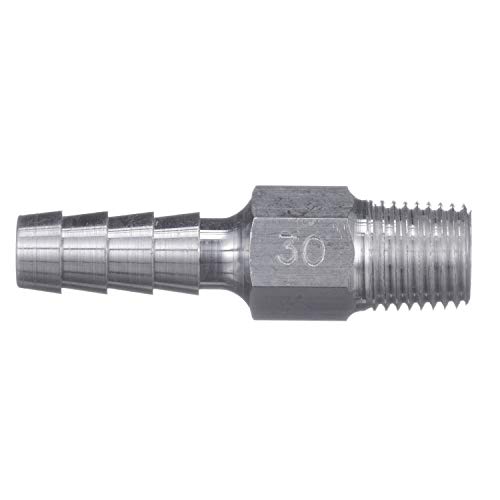
Features include a durable aluminum body and a reliable male thread connection for fuel lines. Best for owners seeking a straightforward replacement that fits standard marine fittings. It provides a solid, weather-resistant connection and helps prevent fuel siphoning if a hose is compromised. Caution: confirm exact thread and barb sizing to ensure a proper seal with your current hose assembly.
Attwood 9300FDV7 Universal Fuel Demand Valve

Best for engines that require dependable fuel delivery across multiple hose sizes. The high-strength composite construction stands up to harsh marine environments, and low vacuum restriction helps engine start-up and operation. It works with 3/8″ and 5/16″ hoses and handles Ethanol-blended fuels, making it a versatile choice for mixed-fuel systems. Choose this if you need broad hose compatibility and consistent performance; avoid if you require metal-only construction.
Marine Anti Siphon Valve Replacement (Adabuing) — 2 Pack

Best for budget-conscious buyers needing two valves for multiple tank connections. It uses 1/4″ NPT and 3/8″ hose fittings and is designed to prevent fuel theft and spillage. The valve is aluminum and claims USCG compatibility. Limitation: product descriptions emphasize compatibility rather than independent testing results, so verify fit with your tank pickup and valve outlets before purchasing.
Moeller 033808-10 Anti-Siphon Valve

Best for vessels requiring Coast Guard-standard anti-siphon protection. This brass valve combines anti-siphon protection with a convenient hose barb design, configured for 3/8″ NPT threads. It is ideal for owners who want a proven, regulation-aligned solution. Caution: brass construction may be heavier than some plastic/composite options and could be over-specified for very small systems.
Boat Anti Siphon Valve Fitting — 2 Pack (BZTT)

Best for multiple-tank configurations where 2 valves are helpful. It features 1/4″ NPT threads and 3/8″ hose connections, with a compact overall length of about 2.2 inches. This model is designed to block siphoning and reduce leakage risk, helping ensure smooth fuel flow to the engine. Limitation: not explicitly labeled USCG compliant in the listing; confirm regulatory requirements for your boat before choosing.
Buying Guide
Key considerations for selecting the right anti-siphon valve:
- Fit and compatibility: Match the valve’s NPT size and hose barb sizes to your fuel tank fittings and hoses. Common configurations are 1/4″ NPT with 3/8″ hose or 3/8″ NPT with 3/8″ hose.
- Material and durability: Aluminum and brass offer corrosion resistance and longevity in marine environments; composite valves can be lighter and cost-effective.
- Regulatory compliance: For many boats, valves meeting USCG/Coast Guard regulations provide added assurance of proper anti-siphon protection.
- Installation considerations: Some valves install at tank outlets or pickup tubes; ensure you can access the mounting area and won’t cause fuel-line kinks.
- Environmental and fuel compatibility: Confirm compatibility with ethanol-blended fuels if your vessel uses E15 or higher blends.
- Maintenance and replacement: Check for seals, replacement parts, and the ease of inspection to confirm long-term reliability.
FAQ
- What is an anti-siphon valve, and why do I need one? – It is a one-way valve that prevents fuel from being siphoned out of the tank, reducing theft and spillage while permitting fuel flow to the engine.
- Which valve size should I choose? – Common sizes are 1/4″ NPT with 3/8″ hose or 3/8″ NPT with 3/8″ hose. Choose based on your tank fittings and hose diameter.
- Are these valves required by law? – Some models align with USCG regulations and are recommended for compliant fuel systems, but check local requirements for your vessel and region.
- Can I install these myself? – Many are designed for straightforward installation, but verify fit with your fuel pickup tube and tank outlets and follow manufacturer instructions.
- Do anti-siphon valves prevent all fuel leaks? – They reduce siphoning risk but are part of a broader fuel system that should be regularly inspected for leaks and proper connections.
- Will these work with ethanol-blended fuels? – Several models advertise compatibility with ethanol fuels; confirm your specific fuel blend before installation.


