
Choosing the best cowl vents for boats is essential for maintaining proper airflow, preventing bilge odors, and protecting your marine vessel from moisture and rust. Below is a summary table featuring five top-rated boat cowl vents, highlighting their key materials and special features to help you make an informed decision.
| Product | Material | Key Feature |
|---|---|---|
| AceSupever 316 Stainless Steel Cowl Vent | 316 Stainless Steel | Seamless ventilation and rust prevention with nylon base |
| Aramox 304 Stainless Steel Marine Vent Cover | 304 Stainless Steel | Durable and versatile for cockpit and engine ventilation |
| Five Oceans 4-Inch Cowl Vent with Snap-On Deck Plate | UV-Resistant Flexible PVC | Low profile with snap-on cover for rough weather |
| NRC&XRC 316 Stainless Steel Fuel Gas Tank Vent | 316 Stainless Steel | Corrosion-resistant with mirror polished finish |
| Qiilu 304 Stainless Steel Boat Blower Vent Cover | 304 Stainless Steel | Heavy duty ventilator to keep bilge odorless |
AceSupever 316 Stainless Steel Marine Cowl Vent

The AceSupever Boat Cowl Vent is crafted with precision using premium 316 stainless steel, providing exceptional strength and rust resistance. It fits 3-inch diameter hoses or holes, making it an ideal replacement for old or worn-out ventilators. The nylon base complements the robust stainless steel hood for added stability.
This vent ensures moisture-free airflow, essential for preventing bilge odors and protecting your engine compartment from corrosion. Its durability helps extend your boat’s lifespan by maintaining a comfortable, odorless interior environment. The sturdy design resists bending or deformation under harsh marine conditions.
Aramox 304 Stainless Steel Boat Cowl Vent Cover

The Aramox Marine Vent Cover is crafted from sturdy 304 stainless steel with a nylon base, offering high strength and durability. Designed for versatile use, it is suitable for various types of boats and yachts, typically installed in engine compartments or marine cockpits.
This vent cover excels at keeping bilge areas odorless and well ventilated, which prolongs the life of your marine engine and equipment. It supports effective air intake and exhaust, maintaining a fresh and comfortable onboard environment even during extended voyages.
Five Oceans 4-Inch Cowl Vent with Snap-On Deck Plate

The Five Oceans 4-Inch Cowl Vent features a flexible PVC body with a UV-resistant design, ideal for cabin ventilation or bilge air intake. It comes with a snap-on deck plate and cover, allowing for easy removal or weather protection in rough conditions.
With a low profile measuring 5 inches tall and a 6-inch outer deck plate diameter, it provides ample airflow while keeping debris and water out. This model is easy to install and made for reliable performance with or without an additional blower system.
NRC&XRC Marine Grade 316 Stainless Steel Fuel Gas Tank Vent
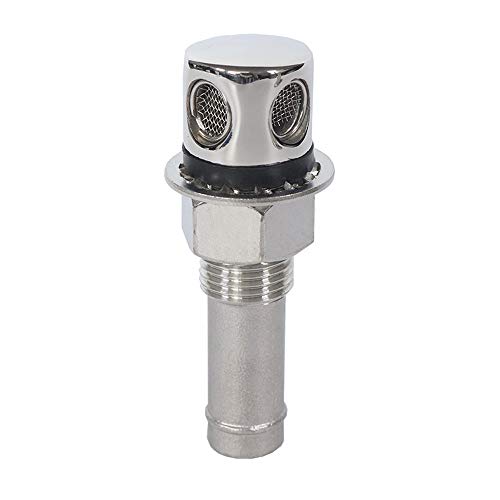
The NRC&XRC Fuel Gas Tank Vent is built from 316 corrosion-resistant stainless steel with a mirror-polished finish for enhanced appearance and longevity. It requires a 1 3/8-inch hole and connects with a 5/8-inch diameter hose, making it ideal for marine fuel tank ventilation.
This vent ensures precision airflow while preventing contaminants from entering the tank, contributing to safer operation. Its fine grinding and flatness guarantee a secure fit and excellent durability under harsh marine environments.
Qiilu 304 Stainless Steel Boat Blower Vent Cover

The Qiilu Boat Blower Vent Cover is a heavy-duty marine intake vent made from premium 304 stainless steel with a nylon base for reliable performance. It is widely used in marine cockpits and engine ventilation systems of various boats and yachts.
This ventilator helps keep bilge compartments odorless and dry, extending the service life of boat components. Its durable construction withstands marine conditions, making it an essential accessory for improving onboard airflow and safety.
Buying Guide for Boat Cowl Vents
When selecting the best cowl vents for your boat, consider the following key factors to ensure optimal performance and durability:
Material Quality and Corrosion Resistance
Marine environments demand materials that resist rust and corrosion. 316 stainless steel is preferred for its superior corrosion resistance, especially in saltwater conditions. While 304 stainless steel is also common and durable, 316 offers added protection. Some vents use UV-resistant PVC or nylon bases to enhance durability.
Size and Compatibility
Measure the diameter of your existing vent hole and hose to ensure compatible sizing. Common diameters include 3-inch for intake vents and specialized sizes for fuel tank vents. Exact sizing affects airflow efficiency and ease of installation.
Vent Design and Functionality
- Airflow Type: Determine if the vent is intended for intake, exhaust, or bidirectional airflow.
- Deck Cover: Vents with snap-on or screw-on covers provide protection from rain and debris, particularly important in rough weather.
- Low Profile vs. High Profile: Low profile vents offer less wind resistance and a sleek look while high profile vents generally provide greater airflow volume.
Installation and Maintenance
Choose vents that are easy to install with clear mounting instructions and include necessary hardware. Removable vent covers simplify maintenance and cleaning, which is critical to prevent blockages and prolong vent life.
Durability and Longevity
Look for vents manufactured to strict quality standards with solid metal construction and UV-resistant parts. These features ensure resistance to bending, cracking, or deformation over time.
Application Specifics
Consider where the vent will be installed—engine compartments, bilges, fuel tanks, or cabins—as this determines the vent type needed and specific features like gas resistance or enhanced sealing properties.