As an Amazon Associate I earn from qualifying purchases. These links may earn this site a commission when you buy, at no extra cost to you.
Finding the right electric motor for your boat can boost efficiency, increase fishing time, and reduce noise on the water. This guide highlights five top trolling motors suited for fresh and saltwater use, with a focus on buyers who want reliable thrust, simple controls, and durable construction. Best for casual anglers, serious lake fishermen, and saltwater cruisers, these options cover a range of thrust levels, shaft lengths, and features. The quick comparison below helps you pick the right motor based on boat size, typical water conditions, and preferred control style.
| Product | Thrust | Shaft | Best For |
|---|---|---|---|
| Minn Kota Endura C2 30 lb | 30 lb | 30 in | Shallow rivers and small boats |
| Newport NV-Series 55 lb | 55 lb | 30 in | Medium to larger boats, saltwater |
| Minn Kota Endura C2 40 lb | 40 lb | 36 in | Medium lakes, deeper water |
| PEXMOR 55 Lb | 55 lb | — | Saltwater, kayaks, versatile use |
| Watersnake T18 ASP | 18 lb | 24 in | Lightweight boats and portability |
Note: The best choice depends on your boat type, typical water conditions, and how you plan to fish. This guide includes a brief risk assessment for each option to help you avoid common mismatches between boat size and motor capability.
Minn Kota Endura C2 Transom-Mount 30 Lb – Freshwater
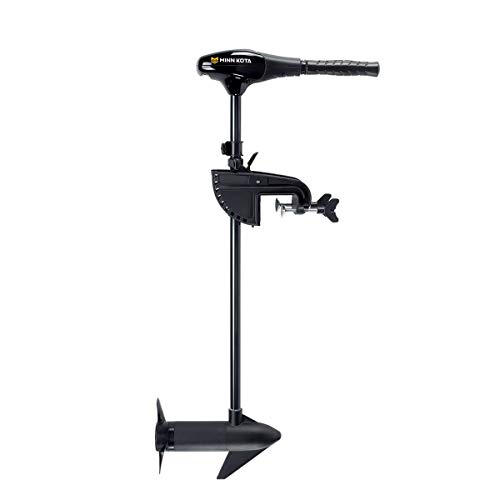
This 30-pound thrust trolling motor is designed for freshwater use and smaller craft. It features a 30-inch shaft and a 6-inch telescoping tiller for comfortable, all-day control. A push-to-test battery meter is integrated with the motor head, helping you monitor power without interrupting fishing. The 10-position lever lock bracket lets you adjust and secure your tilt angle quickly. A reinforced composite build resists warping and UV damage, improving long-term durability on inland waters. Best for compact boats and easier handling when maneuvering tight docks or coves.
Reference features include a heavy-vegetation power prop and a complete installation kit with prop pin, nut, and washer. This motor is best for anglers who prioritize simple setup and reliable freshwater performance in lakes or rivers with light to moderate vegetation. A limitation is its lower thrust, which may be less suitable for bigger boats or windy, choppy days where stronger thrust is needed.
Who this is for: Small craft owners and casual freshwater anglers seeking dependable, easy-to-use trolling power with straightforward installation and tilt control.
Newport NV-Series 55lb Saltwater Transom Mount

This 55-pound thrust model targets saltwater anglers and larger boats. It features a 30-inch shaft, a 5-LED battery meter, and an adjustable 6-inch telescoping tiller handle with 8 speeds (5 forward, 3 reverse). The motor’s design emphasizes reliability and continuous use, minimizing heat and noise that could spook fish. The adjustable mount allows precise height and direction settings, offering solid performance in varied water conditions. The three-blade propeller delivers strong low-end torque for moving through denser cover.
Best for: Boats that require more thrust in saltwater, where extended trolling sessions are common and quiet operation matters.
Choose this if: You need stronger performance without significantly increasing complexity.
Caution: Heavier power draw may shorten battery life on longer trips if you don’t have an adequate battery setup.
Minn Kota Endura C2 40 Lb – Freshwater
This 40-pound thrust transom-mount motor is designed for freshwater use on mid-sized boats. It shares the Endura C2 line’s durable composite construction, a 36-inch shaft, and a telescoping tiller for easy handling in longer fishing sessions. The power prop is tuned for heavy vegetation, helping you move through weed beds. It includes essential installation hardware and a reliable battery meter integrated into the head. Best for anglers who need more punch than the 30-lb variant but still prioritize quiet operation and simple maintenance.
Who this is for: Anglers with mid-sized boats fishing in lakes or rivers with moderate vegetation.
Better for: Longer trolling sessions where higher thrust improves maneuverability and speed control in calm to moderate chop.
Limitation: Slightly heavier than the 30 lb variant, which impacts portability and storage in tight spaces.
PEXMOR 55Lbs Thrust, 8 Speed Electric Trolling Motor
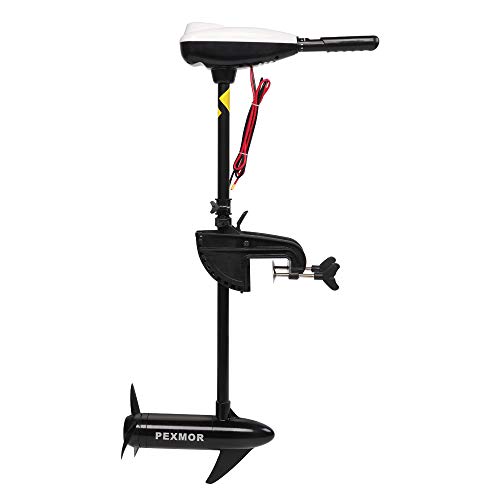
This 55-pound thrust model offers eight speeds (five forward, three reverse) and a six-inch telescoping adjustable handle, along with an adjustable depth and angle for flexible deployment in varying water conditions. It emphasizes efficiency and quiet operation, suitable for boats that need robust trolling power without excessive speed. The adjustable shaft depth helps maintain control whether you’re in calm bays or breezy channels. Best for color-accurate steering control in saltwater or freshwater use where a longer day of fishing is anticipated.
Best for: All-around boaters who want strong thrust, adjustable depth, and a compact, lightweight design.
Limitation: The data mentions a knob-based depth adjustment—ensure you confirm exact integration with your boat’s mounting hardware before purchase.
Watersnake T18 ASP – 18 Lb Light-Duty Trolling Motor
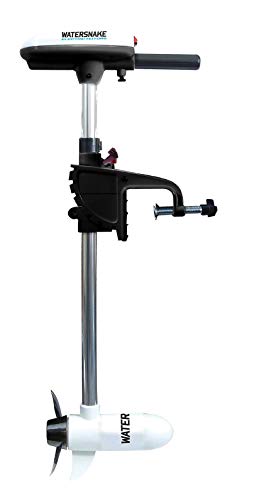
This compact, lightweight alternative is ideal for kayaks, canoes, and small dinghies. It weighs only about 4.85 pounds, facilitating easy transportation and quick deployment. The 24-inch shaft and adjustable mount support versatile mounting on smaller craft. It uses a hand tiller with an extendable handle, forward and reverse switching, and a two-blade weedless propeller. Best for ultra-portable setups or as a backup motor for light fishing builds on rivers or calm lakes.
Best for: Portability-focused users and small craft where weight and space are critical.
Caution: Low thrust means it’s not suitable for larger boats or heavy wind situations.
Buying Guide
- Boat size and weight: Match thrust to boat size. Small craft may do well with 30 lb motors, while medium to larger boats may require 40–55 lb models for reliable control.
- Saltwater vs freshwater: Saltwater motors often need pressing durability against corrosion. If you fish in saltwater, consider models specifically rated for salty conditions.
- Shaft length: A longer shaft helps prevent cavitation and keeps the prop in clean water. Common lengths are 30–36 inches for mid-sized boats; taller boats may need longer shafts.
- Tiller control and adjustability: Telescoping tillers improve comfort on long days. Check for a lockable lever and a tilt adjustment to fit your boat’s mounting height.
- Prop design and vegetation handling: Propellers designed for heavy vegetation provide better thrust when weeds are present, but may require more maintenance.
- Battery indicators and power management: Battery meters and efficient motors extend trolling time and reduce surprise battery failures.
- Installation and maintenance: Reversible mounts and included hardware simplify setup. Look for reinforced, UV-resistant materials for durability in marine environments.
FAQ
- What size trolling motor do I need for a 14-foot boat? A 30–40 lb thrust model is typically sufficient for small boats, depending on load and water conditions.
- Is a saltwater-rated motor necessary for coastal waters? Yes, saltwater motors resist corrosion better and perform reliably in harsher environments.
- How long can I run a trolling motor on a single battery? Runtime depends on battery capacity and motor thrust. Higher thrust uses more battery power; always plan for reserve capacity.
- Do all trolling motors have adjustable shafts? Many do; check shaft length and mounting compatibility to ensure a proper fit for your boat.
- Should I choose a 2- or 3-blade propeller? A 3-blade propeller offers better low-end torque and weed performance, while a 2-blade propeller can be simpler and lighter.
- What maintenance is required? Rinse after saltwater use, inspect seals, and replace worn components like prop pins or washers as needed.


