
When it comes to boating safety, having a reliable emergency beacon can be a lifesaver. These devices provide vital signals that alert search and rescue teams during distress situations, ensuring fast and accurate help. Below is a summary table showcasing the top emergency beacons for boats available on Amazon, highlighting their key features and battery life.
| Product | Brand | Key Features | Battery Life |
|---|---|---|---|
| ACR ResQLink 400 | ACR | No subscription, 406 MHz distress, LED & infrared strobes | Up to 24+ hours |
| ACR ResQLink View | ACR | Buoyant, GPS, multiple attachment clips, SMS test messaging | 24+ hours |
| TEKTITE® SOSeFLARE 5 | TEKTITE® | USCG & SOLAS approved electronic distress flare, waterproof, floats upright | 30+ hours continuous |
| ACR ResQLink 410 RLS | ACR | Return Link Service, GPS, Galileo, MEOSAR, 5-year battery life | 24+ hours |
| ACR ResQLink 400 GPS Survival Kit | ACR | GPS tracking, C-Strobe Rescue Light, Res-Q Whistle | 24+ hours |
ACR ResQLink 400 – Subscription-Free SOS Personal Locator Beacon

The ACR ResQLink 400 is designed to provide fast and reliable distress signals when every second counts. It uses a 406 MHz distress frequency combined with homing signals to alert rescuers accurately. Featuring both LED and infrared strobes, it ensures visibility in various light conditions, crucial during nighttime or low-visibility emergencies. One of its key advantages is that it requires no subscription, making it a cost-effective and dependable option for boaters. Its compact and rugged design fits easily in survival kits, offering peace of mind on any water expedition.
ACR ResQLink View – Buoyant GPS Personal Locator Beacon
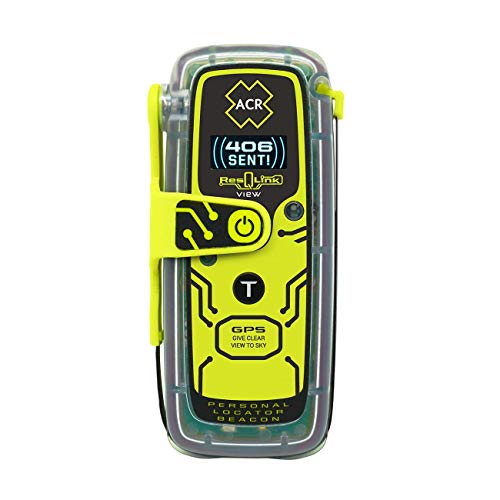
The ACR ResQLink View stands out with its buoyant and lightweight design, perfect for boating and other outdoor adventures. Once activated, it sends an SOS distress signal with GPS coordinates directly to search and rescue using global 406 MHz and homing 121.5 MHz frequencies. It comes with practical attachment options such as a belt clip and lanyards for easy wearability. The beacon also supports an optional subscription service that enables testing via SMS and email, adding a layer of communication and reassurance for users.
TEKTITE® SOSeFLARE 5 – USCG & SOLAS Compliant Electronic Boat Distress Flare

The TEKTITE® SOSeFLARE 5 is a modern electronic distress flare fully compliant with USCG and SOLAS standards, making it legal for nighttime marine emergencies. It emits a bright S-O-S Morse code light signal, enhancing visibility when traditional flares are not practical. The device is waterproof and floats upright in water, rated for submersion up to 500 feet, ideal for rough sea conditions. Its long-lasting CR123 lithium batteries provide over 30 hours of continuous signaling, and they are user-replaceable, ensuring preparedness without frequent maintenance.
ACR ResQLink 410 RLS – SOS Beacon with Return Link Service

The ACR ResQLink 410 RLS incorporates advanced technology with its Return Link Service (RLS), which confirms receipt of the distress alert by search and rescue teams. This confirmation offers a critical communication feedback loop for users. It supports multiple satellite systems including GPS, Galileo GNSS, and MEOSAR to provide global coverage and pinpoint accuracy. The beacon boasts a 5-year battery life and over 24 hours operational time, all while requiring no subscription for activation, making it an exceptional choice for marine emergencies.
ACR ResQLink 400 GPS Personal Locator Beacon Survival Kit

This compact ACR ResQLink 400 GPS Survival Kit adds essential survival tools alongside the beacon. It includes the C-Strobe H2O Rescue Light with a bright LED strobe to enhance visibility and a Res-Q Whistle that produces a loud signal to attract attention. The beacon itself offers reliable GPS tracking and fast rescue alerts with a waterproof design suitable for harsh marine environments. It is a well-rounded kit addressing both signaling and auditory distress methods for boaters.
Buying Guide for Emergency Beacons for Boats
Choosing the right emergency beacon for your boat involves considering several important factors to ensure safety and functionality:
1. Signal Frequency and Global Coverage
Look for devices operating on the 406 MHz frequency, as it is internationally recognized by satellite systems for emergency distress signals. GPS integration provides accurate location details, increasing rescue speed. Some models add compatibility with additional satellite networks for enhanced coverage.
2. Subscription Requirements
Many personal locator beacons (PLBs) do not require ongoing subscription fees, which can reduce long-term costs and complications. Confirm the beacon’s subscription status to avoid unexpected expenses.
3. Battery Life and Shelf Life
A reliable emergency beacon should have a long operational battery life (typically over 24 hours) and an extended shelf life (often 5 years or more). Replaceable batteries can add convenience and longevity to your safety gear.
4. Visibility and Signaling Features
Devices with both visible LED strobes and infrared or electronic flare signals improve visibility during day and night. Some include audible signals like whistles for attracting attention across multiple channels.
5. Durability and Waterproof Rating
Select a beacon designed to withstand marine environments—waterproof, buoyant, and resistant to impact. Meeting standards like USCG and SOLAS ensures compliance with safety regulations.
6. Ease of Use and Size
Compact, lightweight beacons with simple activation mechanisms are essential for emergencies where quick response is critical. Additional features like digital displays or confirmation signals can enhance user confidence.
Evaluating beacons across these criteria ensures you choose a dependable and effective emergency signaling device tailored to your boating safety requirements.