As an Amazon Associate I earn from qualifying purchases. These links may earn this site a commission when you buy, at no extra cost to you.
Finding the right GPS for boat navigation depends on your boating style and needs. This guide helps outdoor and fishing enthusiasts choose reliable chartplotters and fishfinders. The top picks below are best for anglers, day sailors, and offshore explorers who want clear mapping, robust GPS, and useful sonar features. The buyer’s table summarizes each product’s focus to speed decision-making.
| Product | Best For | |
|---|---|---|
| Humminbird Helix 5 G3 | Mid-sized boats, versatile sonar | Dual Spectrum CHIRP, Basemap, LakeMaster/CoastMaster/Navionics support |
| Simrad GO9 XSE | Multifunction cockpit displays | GO9 MFD, C-MAP Discover, HDI 83/200 transducer |
| Garmin Striker Vivid 7cv | Clear color imaging | Vivid scanning sonar, GT20 transducer, CHIRP traditional and ClearVü |
| Garmin GPSMAP 79sc | Rugged handheld backups | Floating, BlueChart coastal coverage, multi-constellation |
| Garmin Striker 4 | Entry-level boaters | Clear Vu sonar, 3.5″ display, IPX7 |
Humminbird Helix 5 G3 GPS Fish Finder

Best for anglers and small-to-mid sized boats that need a capable fishfinder with solid mapping. Dual Spectrum CHIRP sonar provides wide coverage and detailed scans for fish arches and structure. Enhanced GPS with Humminbird Basemap covers 10,000+ lakes and U.S. coastlines, and compatibility with LakeMaster, CoastMaster, and Navionics charts adds flexibility. A compact 5-inch display balances ease of use with important features. Caution: screen size may limit detailed viewing in rough conditions or at distant waypoints.
Simrad GO9 XSE Chartplotter And Fishfinder

Best for power users who want a multifunction display with built-in navigation and elite charting. The GO9 XSE supports GPS navigation, sonar, radar, and more. Includes C-MAP DISCOVER with vector charts and high-resolution bathymetric contours for broad US/Canada coverage. The 83/200 kHz HDI transducer enables CHIRP sonar and DownScan Imaging for clear bottom structure. Limitation: a larger system footprint requires careful boat integration and power management.
Garmin Striker Vivid 7cv with GT20‑TM Transducer

Best for boaters seeking high-contrast, easy-to-read sonar imagery. The Vivid color palettes help distinguish fish and structure quickly, with a GT20 transducer for traditional CHIRP sonar and CHIRP ClearVü scanning. It includes high-sensitivity GPS for marking waypoints, creating routes, and tracking speed. Caution: 7-inch display sizes may feel compact on larger boats or groups needing broader charts at a glance.
Garmin GPSMAP 79sc Handheld
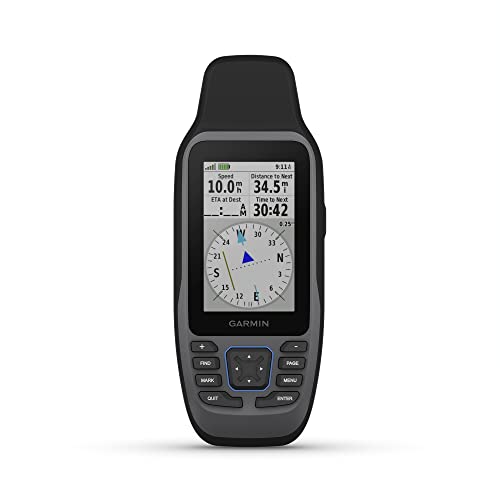
Best as a rugged, floatable backup navigation device for serious explorers. The 79sc is a rugged handheld with a high-resolution color display and scratch-resistant, fogproof glass. It includes BlueChart coastal coverage and supports multiple satellite constellations for reliable global tracking. Caution: handheld units may require additional data cards or charts for full marine use in remote areas.
Garmin Striker 4 with Transducer

Best for entry-level boaters seeking a straightforward fishfinder experience. The Clear Vu scanning sonar provides near-photographic water views, and CHIRP traditional sonar helps identify fish and bottom structure. The display is available in smaller sizes, with IPX7 water rating for splash resistance. Caution: fewer advanced charting features; may require a separate handheld or tablet for navigation planning on larger trips.
Buying Guide: Key Considerations For Selecting GPS Gear
- Navigation needs: Determine whether you want a standalone chartplotter, a multifunction display, or a handheld backup. Consider the boating size and cockpit space.
- Sonar capabilities: CHIRP, Down Scan, and ClearVü imaging affect how well you identify fish and bottom structure. Match sonar types to typical fishing depths.
- Chart compatibility: Check if the device supports LakeMaster, CoastMaster, Navionics, or BlueChart and whether you need broad US/Canada coverage or local lakes.
- Display size and readability: Larger screens help in rough seas and at-a-glance navigation. Vivid palettes improve target distinction in color sonar displays.
- Durability and installation: Consider IP ratings, rugged design, float-ability (for handhelds), and transducer mounting options (transom, shoot-through, trolling motor).
- Data management: Ensure you can save waypoints, routes, and tracking data. Some models offer built-in mapping software and Quickdraw-style contour creation.
FAQ for Buyers
What is the best GPS for a small fishing boat?
A compact model with reliable sonar and Basemap or Navionics compatibility, such as Humminbird Helix 5 G3, offers a good balance of features for small to mid-sized boats.
Do I need CHIRP sonar if I already have traditional sonar?
CHIRP provides clearer target separation and better bottom detail, which helps detect fish arches and structures more reliably than traditional sonar alone.
Is a handheld GPS sufficient for marine use?
Handheld devices are excellent backups and for shore exploration, but for full marine navigation on a boat, a dedicated chartplotter or MFD with chart layers is usually preferred.
Should I prioritize chart detail or sonar clarity?
Both matter, but prioritize chart detail if you navigate complex coastlines or shallow areas. Sonar clarity is crucial for fishing success and structure identification.
What charts should I look for?
Choose devices that support LakeMaster, CoastMaster, Navionics, or BlueChart based on your primary waterways, and verify regional coverage before purchase.
Do these devices require internet access?
Most marine chartplotters work offline with preloaded charts. Some systems offer optional updates or online features, but navigation and sonar do not depend on internet in most cases.


