As an Amazon Associate I earn from qualifying purchases. These links may earn this site a commission when you buy, at no extra cost to you.
Yes, hard bottom antifouling paints can protect hulls from barnacles, weeds, and slime across seasons. This guide highlights five top options, with practical guidance on who each product suits best and why. Ideal buyers include frequent sailors, powerboats, aluminum pontoons, and boats used in harsh saltwater or mixed-water environments.
| Product | Best For | Notes |
|---|---|---|
| TotalBoat Underdog Marine Antifouling Bottom Paint | Sailboats, powerboats in saltwater; frequent users | Able to prevent barnacles with copper biocide; single-season protection |
| TotalBoat JD Select Ablative Antifouling (Gallon) | Fiberglass, wood, steel boats in salt or fresh water | Self-polishing, reduces buildup; low odor and low VOCs |
| TotalBoat Krypton Copper Free Antifouling | Aluminum, outdrives, trim tabs, all below-waterline boats | Copper-free for galvanic safety and brighter colors |
| TotalBoat Alumipaint AF | Pontoons and aluminum hulls | Copper-free; ablative wear exposes fresh biocide |
| Interlux YBB379G BottomKOTE NT | Fiberglass boats; bottom protection in various waters | Low-profile option from a trusted brand |
Note: Each product targets common boat types and use-cases. Use this table to quickly compare core compatibility and benefits before reading deeper into each option.
TotalBoat Underdog Marine Antifouling Bottom Paint
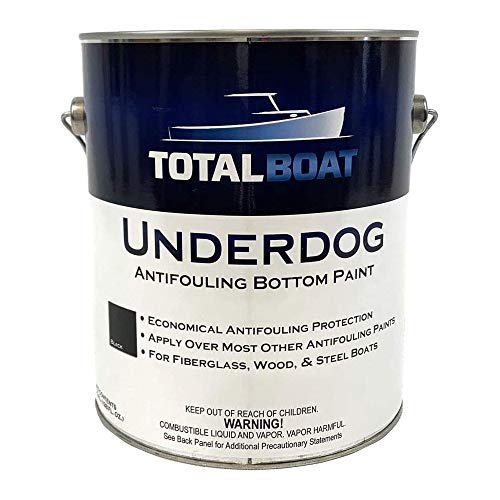
Best for boats used frequently in saltwater conditions, especially sailboats and powerboats. This economical antifouling paint uses copper biocide to prevent barnacles and mussels from adhering to hulls. It provides single-season protection and a durable finish that resists wear during trailering or beaching. Use on properly prepared fiberglass, wood, steel, and iron bottoms. Consider this if you want a straightforward, cost-effective option with reliable erosion of buildup over a single season.
Caution: Abrasive cleaning or improper surface prep can reduce effectiveness. Not ideal for long-term multi-season use without reapplication.
TotalBoat JD Select Ablative Antifouling (Gallon)

Best for fiberglass, wood, and steel boats in both salt and fresh water, this ablative, self-polishing coating wears away as the boat moves, reducing bottom paint buildup for easier maintenance next season. It has low odor and low VOCs, making it suitable for marinas with environmental restrictions. A durable finish can be burnished for smoother performance, speed, and fuel efficiency. Choose this if you want a marine paint that self-polishes gradually and stays manageable with regular launches.
Caution: Requires proper surface prep and adherence to environmental guidelines; reapplication timing depends on usage and water type.
TotalBoat JD Select Ablative Antifouling (Quart)

Best for boats where a mid-range volume is preferred without compromising the same self-polishing and low-VOC benefits. This use-case mirrors the gallon version but is suited to smaller vessels or shorter repaint cycles. It remains ideal for fiberglass, wood, and steel boats in salt and fresh water, with the same environmental considerations and ease of cleanup.
Caution: Availability in smaller quantities may require more frequent orders for larger vessels or frequent repaint cycles.
TotalBoat Krypton Copper Free Antifouling (Quart)

Best for aluminum and softer metals, this copper-free option avoids galvanic corrosion on aluminum boats, outdrives, and trim tabs while delivering strong antifouling performance in fresh, salt, and brackish water. Colors remain brighter without copper biocide. Use below the waterline on fiberglass, wood, steel, iron, and aluminum boats. Choose this if copper-related corrosion is a concern or if you prefer a brighter finish.
Limitation: Copper-free formulas can differ in performance longevity compared to copper-based options and may require more frequent reapplication in demanding conditions.
TotalBoat Alumipaint AF Aluminum and Pontoon Bottom Paint

Best for pontoons and aluminum hulls, this copper-free antifouling paint uses ablative wear to continually expose fresh biocide for ongoing protection. It is designed specifically for aluminum surfaces and pontoon boats, where copper-based paints may pose compatibility concerns. Opt for this if your vessel is aluminum or pontoon-based and you want a copper-free solution with ablative properties.
Caution: Aluminum surfaces require careful surface prep to ensure adhesion and long-term effectiveness.
Interlux YBB379G BottomKote NT (Fiberglass)

Best for fiberglass boats seeking a trusted brand option with solid protection in various water types. BottomKOTE NT is designed to provide reliable antifouling performance below the waterline. It’s a straightforward choice for boat owners who want a reputable, low-risk bottom paint that performs well in mixed water conditions.
Caution: Brand-specific application instructions must be followed to maximize protection and minimize environmental impact.
Buying Guide: Key Purchase Considerations
- Water type: Salt, freshwater, or brackish water affects antifouling life and chemistry. Copper-based paints tend to perform strongly in seawater but copper-free formulas avoid galvanic issues on certain metals.
- Surface compatibility: Confirm the hull material (fiberglass, wood, steel, aluminum) and choose a paint formulated for that surface.
- Ablative vs non-ablative: Ablative (self-polishing) paints wear away to reveal fresh biocide, helping reduce buildup. Non-ablative or copper-free options may require less frequent reapplication in some environments.
- VOC and odor: Low-VOC and low-odor formulas are easier to use in marinas with environmental restrictions and improve indoor usability during application.
- Application and maintenance: Review surface prep requirements, recoat times, and ease of cleanup. Some products offer burnishable finishes or easier sanding/cleanup.
- Environmental and safety considerations: Copper-based paints can have environmental considerations; copper-free formulas are designed to reduce certain risks.
Frequently Asked Questions
- What is the difference between ablative and non-ablative antifouling paints?
Ablative paints wear away as the boat moves, exposing fresh biocide and reducing buildup. Non-ablative paints stay relatively intact and may require more sanding over time. - Is copper-based antifouling paint safe for aluminum hulls?
Copper-based paints can cause galvanic corrosion on aluminum. Copper-free formulas are often recommended for aluminum and outdrives. - How often should antifouling paint be reapplied?
Reapplication frequency depends on water type, usage, and paint type. Ablative paints typically require reapplication after a full season or as performance declines. - Can I use antifouling paint in a marina with environmental restrictions?
Yes, many low-VOC and water-based formulas are designed for marina use and easier cleanup with soap and water. - Do copper-free options perform as well as copper-based paints?
Copper-free formulas offer strong antifouling protection while avoiding copper-related corrosion risks, though performance may vary by water type and boat use.


