As an Amazon Associate I earn from qualifying purchases. These links may earn this site a commission when you buy, at no extra cost to you.
Direct answer: For removing multiple layers of marine paints and coatings from hulls and other surfaces, start with a water-based remover that won’t damage gel coats, then pair with sturdy cleaners for stubborn deposits. This guide highlights five reliable options and who they suit best—whether you’re a DIY boat owner, professional refurber, or fleet maintenance manager. The quick reference table below helps you compare core choices at a glance.
| Product | |
|---|---|
| Dumond Smart Strip Marine PRO Paint Remover | Removing multiple layers on hulls, anchors, rails |
| STAR BRITE Heavy Duty Boat Bottom Cleaner | Stubborn deposits and stains on fiberglass, painted surfaces |
| TotalBoat Underdog Antifouling Bottom Paint | Single-season antifouling protection for frequent users |
| Rust-Oleum Marine Flat Boat Bottom Antifouling Paint | Fiberglass, wood, or steel hulls needing gradual biocide release |
| TotalBoat JD Select Ablative Antifouling Bottom Paint | Multi-season protection with easy re-application |
The following sections review five selected products in detail. Each entry notes who the product is best for, why it was chosen, and a practical caveat to consider before buying.
Dumond Smart Strip Marine PRO Paint Remover
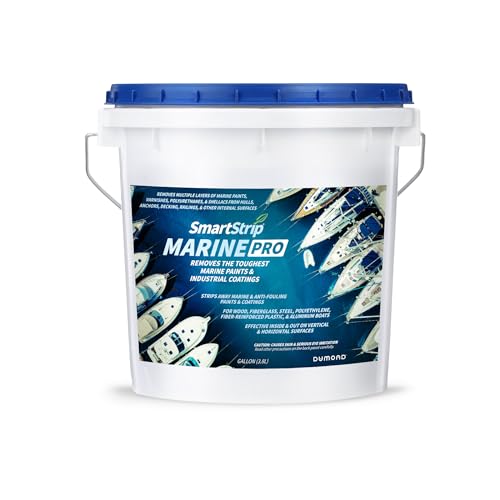
Best for heavy, multi-layer coatings on hulls and metal fittings. This water-based remover clings to vertical surfaces like hulls and anchors without using hazardous solvents. It is designed to strip polyurethane and acrylic marine coats down to the gel base coat, making it suitable for both professional projects and serious DIY restorations.
Who it’s best for: Boat owners tackling multiple topcoat layers, shipyards performing hull maintenance, or DIYers who want a safe, professional-grade product.
Why selected: It covers heavy layers and minimizes risk to the gel coat with a water-based formula that reduces hazardous exposure.
Caution/limitation: Always perform a small test first; results can vary by coating type and substrate.
STAR BRITE Heavy Duty Boat Bottom Cleaner

Best for removing deposits and stains across multiple hull surfaces. This cleaner is designed for fiberglass, wood, iron, and painted surfaces, offering a concentrated flow that dissolves tough marine deposits with repeated use.
Who it’s best for: Anglers, crews, or owners who need an all-around cleaner for routine hull maintenance without resorting to harsher solvents.
Why selected: Its multi-surface compatibility and high concentration support cost-effective maintenance and quick turnaround times.
Caution/limitation: Read surface compatibility notes for painted finishes to avoid potential dulling on sensitive coatings.
TotalBoat Underdog Marine Antifouling Bottom Paint
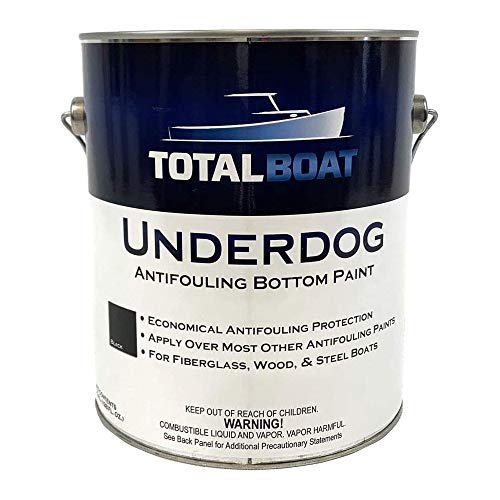
Best for single-season protection on properly prepared hulls of fiberglass, wood, or steel. This economical antifouling coating releases fresh biocide as water moves under the boat, helping prevent barnacles and mussels during frequent use in saltwater conditions.
Who it’s best for: Sailboats and work boats that spend considerable time in the water or are hauled and relaunched frequently.
Why selected: It combines cost efficiency with effective antifouling performance suited for regular boaters.
Caution/limitation: Suitable for properly prepared substrates; an improper surface prep can reduce adhesion and effectiveness.
Rust-Oleum Marine Flat Boat Bottom Antifouling Paint

Best for fiberglass, wood, or steel surfaces needing gradual copper release to deter fouling. The product reports easy recoat times and broad coverage, making it a practical option for mid-season maintenance or initial hull treatments.
Who it’s best for: Boat owners seeking a straightforward, low-odor antifouling solution for standard below-the-waterline protection.
Why selected: The gradual copper release helps reduce fouling while offering predictable recoat windows for marinas with scheduling constraints.
Caution/limitation: Coverage and drying times can vary with temperature and humidity; ensure proper ventilation during application.
SENVEN Black Paint Boat Touch Up Pen
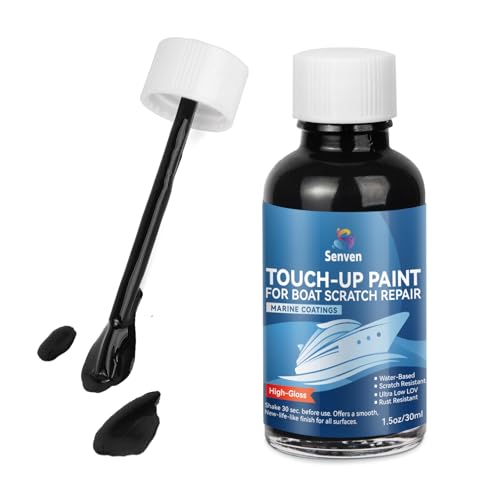
Best for precise touch-ups on hulls, decks, and topside surfaces. This high-gloss marine-grade paint features a built-in brush for targeted repairs, making it ideal for quick fixes on aluminum, fiberglass, or wood components.
Who it’s best for: Boat owners performing minor cosmetic repairs and hull maintenance without full repainting.
Why selected: The built-in applicator simplifies on-site touch-ups and helps maintain a uniform appearance between larger jobs.
Caution/limitation: Not a replacement for full bottom paint applications; use for chips and scratches only.
TotalBoat Spartan Boat Bottom Paint

Best for multi-season protection in high fouling conditions. This high-copper-content bottom paint is designed to resist barnacles, slime, and weeds on fiberglass, wood, and steel boats in varied water types. It can be burnished for a smoother finish and improved speed.
Who it’s best for: Power and sailboats in busy marinas or saltwater environments seeking longer-lasting antifouling performance.
Why selected: Its high copper content and ablative formula help maintain antifouling effectiveness across seasons with reduced buildup.
Caution/limitation: Requires proper surface prep and awareness of environmental regulations regarding copper-based coatings in certain marinas.
Buying Guide
What should I consider when choosing marine bottom paint removal and antifouling products?
Surface type: Confirm substrate compatibility (fiberglass, wood, steel) and gel coat safety. Some removers are gentler on gel coats, while antifouling paints require proper surface prep for adhesion.
Environment and safety: Water-based removers reduce hazardous exposure. Check local marina rules about volatile compounds and copper-based antifoulants.
Fouling expectations: Choose ablative (wears away with water flow) vs non-ablative coatings based on your sailing or usage patterns and future repaint plans.
Application window: Consider cure times, recoat windows, and whether burnishing or polishing is desired for performance or aesthetics.
Maintenance plan: For frequent boaters, multi-season antifoulants can reduce annual work, while infrequent users may prioritize easy touch-ups and quick cleanups.
How do I test coatings safely before full removal or repainting?
Perform a small test in an inconspicuous area to observe gel coat compatibility, coating response, and ease of removal. Follow label directions for contact times and removal methods.
Which products are best for DIYers vs professionals?
DIY-friendly options emphasize safety and ease of use, such as water-based removers and touch-up paints. Professionals may prefer industrial-strength removers and ablative antifoulants with predictable reapplication cycles.
What environmental factors influence antifouling performance?
Saltwater exposure, water temperature, algae growth, hull movement, and hull cleanliness affect how well antifouling coatings perform. Regular hull maintenance reduces fouling risk and extends coating life.
How should I store marine coatings and removers?
Store in a cool, dry place away from direct sunlight and heat sources. Keep containers sealed tightly to prevent solvent evaporation and ensure proper labeling for future reference.
What is a practical maintenance schedule?
Develop a seasonal plan that includes hull cleaning, inspection for wear or damage, and a repaint or refresh cycle aligned with marina restrictions and use patterns.
Frequently Asked Questions
- Can I use bottom paint remove on gel-coated hulls without damage? Yes, but always test a small area first and choose a gel-coat friendly remover when possible.
- Is it safe to use antifouling paints in freshwater marinas? Many are designed for both salt and fresh water, but check local regulations and substrate compatibility.
- How long should I wait before launching after applying antifouling coatings? Follow label guidance; some coatings require specific cure times before launch to ensure effectiveness.
- Do I need to remove old antifouling completely before applying a new coat? In many cases, a proper prep and light scuffing are sufficient to recoat, but a full removal may be required for severely degraded surfaces.
- Are there eco-friendly options for antifouling coatings? Yes, some products emphasize low VOCs and reduced environmental impact; always verify marina guidelines and compliance.
- What considerations are there for boaters who store vessels out of water? Ablative coatings may require less sanding next season, but surface prep remains essential before relaunching.


