As an Amazon Associate I earn from qualifying purchases. These links may earn this site a commission when you buy, at no extra cost to you.
If you’re preparing a hull for a new coating, selecting the right marine bottom paint remover is essential for efficient, safe, and thorough stripping. This guide highlights five top options designed for wood, fiberglass, metal, and gel coat surfaces. Each product is evaluated for its suitability on boats, ease of use, and practical limitations. The list targets boat owners, DIY enthusiasts, and professional hull restorers seeking effective, low-odor, non-caustic solutions that minimize surface damage and simplify cleanup.
Summary Table of Selected Products
| Product | Best For | Surface Compatibility | Notes |
|---|---|---|---|
| TotalBoat TotalStrip Fast-Acting Heavy Duty Gel Paint and Varnish Remover | Indoor or shop use; multiple layers | Wood, fiberglass, gelcoat, stone, metal | No methylene chloride or NMP; water-cleanup |
| Dumond Smart Strip Marine Paint Remover | Most coatings on hulls and decks; long dwell optional | Wood, fiberglass, metal, aluminum | Non-caustic; water-based gel formula |
| Smart ‘n Easy Paint & Varnish Remover Gel | DIY projects with multiple layers | Wood, stone, brick, fiberglass, concrete | Citrus scent; no caustics |
| Dumond Smart Strip Marine PRO Paint Remover | Professional or DIY on hulls and hardware | Hull, anchors, railings, deck surfaces | Water-based; minimizes gel coat risk |
| Smart Strip Advanced Paint Remover | Indoor/outdoor restoration; thick coatings | Wood, brick, stone, metal, plaster | Removes up to 15 layers; 1 quart size |
TotalBoat TotalStrip Fast-Acting Gel Remover

Best for: Boat owners seeking a fast, low-odor remover that works on multiple coatings without methylene chloride or NMP. The product claims heavy-duty performance, tackling several paint layers in one application and cleaning up with water after use. Suitable for wood, fiberglass, and metal surfaces, making it versatile for mixed-hull installations.
Why selected: It combines an industrial-strength formula with a user-friendly application. A key advantage is the absence of methylene chloride and NMP, reducing safety concerns on indoor or shop workspaces. The product’s fast action — claiming efficacy in about 15 minutes — supports shorter stripping sessions and less downtime between coats.
Limitations: Multiple applications may be required for very thick coatings, and ventilation remains important due to fumes. While easy cleanup is marketed, wash water must be handled according to local regulations. Best used with appropriate tools for scraping and gentle surface protection.
Dumond Smart Strip Marine Paint Remover

Best for: Boats with heavy polyurethane and acrylic coatings; works well for both interior and exterior surfaces. It’s particularly effective for stubborn finishes on hulls, decks, and metal hardware.
Why selected: The gel formula clings to vertical surfaces, enabling coatings to be removed without aggressive solvents. The non-caustic, water-based composition minimizes health and safety concerns, with a straightforward workflow: apply, set, rinse. This makes it attractive for DIYers and professionals alike.
Limitations: May require longer dwell times for thicker layers. Always test a small area first to verify coating compatibility and avoid damage to delicate gel coats or underlying finishes. Requires proper cleanup and disposal in line with local guidelines.
Smart ‘n Easy Paint & Varnish Remover Gel

Best for: DIY enthusiasts tackling medium-coat projects on indoor woodwork, cabinets, and fixtures. Its water-based, non-caustic formulation is friendly for home projects, especially where odor and chemical exposure are concerns.
Why selected: The product emphasizes user safety with no caustic chemicals, citrus-like scent, and a test-before-use approach. It can be a practical choice for smaller jobs where a non-abrasive clean-up and compatibility with varied substrates are important.
Limitation: For very thick or multiple layers, you may need repeated applications and longer processing times. Ensure good ventilation and test patch results before full application on sensitive surfaces.
Dumond Smart Strip Marine PRO Paint Remover
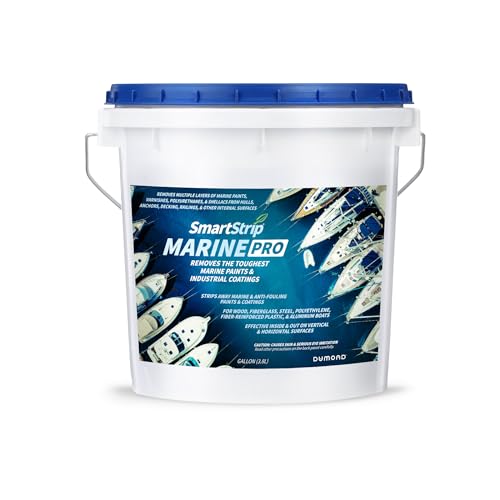
Best for: Pro projects that require reliable removal from hulls, anchors, railings, and decking. The product is designed for robust marine surfaces and aligns with professional restoration workflows.
Why selected: It emphasizes a non-damaging, water-based formula that minimizes harm to gel coats while removing multiple layers of coatings. The method — apply, cover with laminated paper, let set, and remove — supports organized, repeatable processes for professional crews.
Limitation: As with any heavy-duty remover, ensure the area is well-ventilated and follow deck or hull-specific prep steps to protect sensitive finishes. Test on a small area first to confirm compatibility with existing coatings and substrates.
Smart Strip Advanced Paint Remover

Best for: Projects involving multiple coating layers on a variety of materials; indoor or outdoor restorations with a focus on thick or challenging paints.
Why selected: It removes up to 15 layers of paint in many cases, with a non-caustic, water-based formulation. A versatile option for homeowners and contractors who need a flexible product for different surfaces and finishes.
Limitation: Large or deeply layered projects may require several treatments and consistent monitoring of dwell times. Ensure safe handling and disposal per product guidelines and local regulations.
Buying Guide: Key Considerations For Choosing Marine Bottom Paint Removers
- Surface compatibility: Confirm whether the remover is suited for fiberglass, gel coat, wood, metal, or a combination. Some products protect gel coats better than others.
- Coating thickness and layers: For several layers of polyurethane or acrylic coatings, select a remover noted for multi-layer performance and longer dwell times if needed.
- Solvent type and safety: Non-caustic, water-based formulas are typically safer for indoor use and reduced health risks. Check for absence of methylene chloride or NMP if that matters for your workspace.
- Application and cleanup: Consider dwell time, ease of application (brush, roller, or gel), and whether cleanup is water-based or requires solvents. Look for clear instructions and testing guidance.
- Ventilation and odor: Some products have lower odor or citrus scents, which can improve comfort during removal. Evaluate space constraints and ventilation needs.
- Surface protection: If you’re working near sensitive hardware or delicate finishes, choose formulas that minimize damage to gel coats and underlying substrates.
- Work scope: For DIY projects, a user-friendly gel that’s easy to apply and remove is ideal. For professional hull work, a more robust remover with predictable dwell times can save time.
Frequently Asked Questions
- What safety gear should I use with marine paint removers? Answer: Wear chemical-resistant gloves, eye protection, and a respirator or well-ventilated area. Follow manufacturer guidelines for PPE recommendations.
- Can I use any remover indoors on a boat hull? Answer: Yes, if the product is labeled for indoor use and non-caustic with low odor. Always follow ventilation and cleanup instructions.
- How many layers can these removers typically strip at once? Answer: It varies by product—some claim multiple layers per application, while others may require several cycles for thicker coatings.
- Do these products damage gel coat or underlying substrates? Answer: Most modern marine strippers aim to minimize damage, but always test on a small area first and follow dwell times precisely.
- Is rinsing required after applying the remover? Answer: Many products require water-based cleanup or rinsing; always follow the product’s explicit instructions for disposal and washing.
- Which remover is best for a DIY homeowner with limited space? Answer: A non-caustic, water-based gel with clear, simple steps and low odor is typically best for smaller projects and home workshops.


