
Answering buyers looking for affordable, durable plastic propellers for RC boats, this guide highlights five reliable options and explains who each is best for. Plastic propellers are typically lightweight, corrosion-resistant, and easy to replace, making them ideal for beginners, hobbyists, and DIY builders seeking cost-effective performance. The selections cover a range of shaft sizes, diameters, and blade counts to fit common RC boat configurations. Below is a quick summary to help compare at a glance.
| Product | Material | Diameter | Hole / Shaft | Blades | Notes |
|---|---|---|---|---|---|
| uxcell RC Boat Propellers (2 Pairs) | Plastic | 30 mm | 3.17 mm shaft | 2 | Compact prop for small boats |
| Heyiarbeit RC Boat Propeller (2 PCS) | Plastic (Aluminium alloy in description) | 35 mm | 3.18 mm hole | 2 | Lightweight alternative with corrosion resistance |
| Alextend 12pcs RC Boat Propellers | Nylon Plastic | 40 mm | 2 mm shaft | 3 | Value pack for multiple boats |
| AS Axis Spindleon Propellers (2 Pairs) | Plastic | 35 mm | 3 mm shaft | 3 | Broad compatibility with RC boats |
| Gracilaria 2PCS RC Boat Propellers | Plastic | 40 mm | 4 mm hole | 3 | Wide hole diameter for larger shafts |
uxcell RC Boat CW CCW Propeller 30mm, 2 Vanes
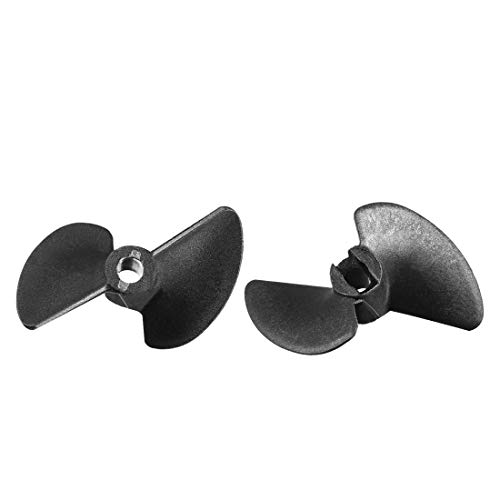
Material: Plastic. Color: Black. Vane Number: 2. Pitch/Diameter: 1.6, Diameter: 30 mm. Shaft Diameter: 3.17 mm (1/8 inch). This rotating propeller is designed for small RC boats that require a compact, reliable thrust source. Best for budget-conscious builders who need a simple replacement for standard 30 mm props. Caution: Confirm shaft compatibility before purchase to avoid misfit on larger models.
Heyiarbeit 2-Blade RC Propeller, 35 mm, CCW

Material: Plastic (listed as high-quality aluminium alloy in some descriptions for durability). Diameter: 35 mm. Hole Dia: 3.18 mm. Vane Count: 2. This propeller is easy to install and designed to stay secured during operation, reducing the risk of propeller loss. Best for hobbyists who want straightforward replacement with a lightweight option. Limitation: If your boat requires aluminium strength, this plastic prop may feel less rigid in rough conditions.
Alextend 12pcs RC Boat Propellers, 4 cm Shaft

Material: Nylon Plastic. Diameter: 40 mm. Thickness: 18.5 mm. This set includes 12 propellers with a 2 mm shaft hole, offering good value for multiple projects or fleet maintenance. Best for builders who rotate props for tuning or replacements across several boats. Caution: Ensure shaft hole tolerances align with your motor shafts to avoid looseness during operation.
AS Axis Spindleon 2Pairs 3mm Shaft Propellers

Diameter: 35 mm. Hole Diameter: 3 mm. Blades: 3. This propeller set is suitable for RC boats, DIY ship models, and maintenance replacements, offering smooth acceleration and stable handling. Best for hobbyists needing compatible, easy-to-install propellers for 3 mm shafts. Caution: Confirm exact shaft size on your model to ensure a proper fit and secure mounting.
Gracilaria 2PCS 3-Blades Plastic Propeller
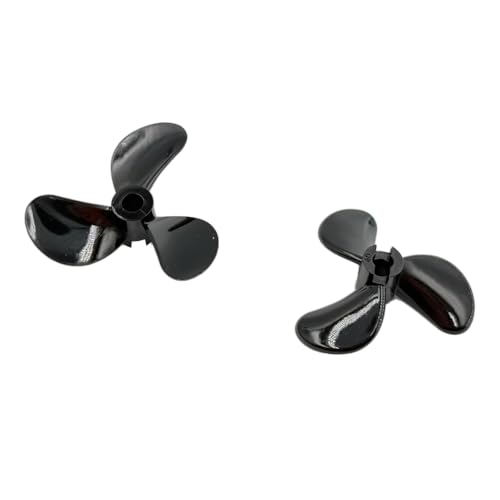
Material: Plastic. Diameter: 40 mm. Central Hole: 4 mm. Blades: 3. This set focuses on providing robust, flexible plastic propellers for larger RC boats and DIY ships. Best for larger models requiring wider propellers for greater thrust. Caution: The 4 mm hole requires matching shafts; mismatches may necessitate adapter sleeves.
Buying Guide
What should I consider when choosing a plastic RC boat propeller?
Key factors include diameter, blade count, and shaft hole size. Larger diameters deliver more thrust but require a stronger motor and appropriate hull clearance. More blades can increase thrust and stability at lower speeds but add drag. Ensure the hub hole diameter matches your motor shaft to prevent slippage or mounting issues. For repeated use, nylon or reinforced plastic offers better durability against impacts than lighter polymers.
How do CW and CCW affect selection?
Some boats require paired CW and CCW propellers to balance torque and prevent spinning out. If your model uses independent motor directions, ensure you pick the correct rotation for each shaft. When in doubt, choose a matching CW/CCW pair that correspond to your motor configuration to maintain straight-line performance.
Which material is best for beginners?
Plastic propellers are typically the most forgiving for beginners due to lower cost and easier replacement. Nylon-based plastic provides decent impact resistance and flexibility, reducing the likelihood of shattering on minor collisions or debris contact.
How important is shaft compatibility?
Compatibility with shaft size (for example, 2 mm, 3 mm, or 3.18 mm) is crucial. An incorrect fit can lead to vibration, inefficiency, or propeller detachment. When selecting, compare the exact shaft hole diameter to your motor shaft and consider adapters if necessary.
How many props should I keep on hand?
Having a small assortment (e.g., diameters 30–40 mm with 2–3 blades) covers most entry- to intermediate-level RC boats. A value pack, like the 12-piece set, helps when tuning or repairing multiple models or experimenting with thrust characteristics.
How do I avoid common issues?
Ensure propellers are installed securely and balanced. Tighten mounting hardware to avoid loosening during operation. Avoid using metal or hard-contact debris-prone areas without proper guards, as plastics can deform under stress or deform in collisions.
FAQ
- What size propeller should I start with for a small RC boat? Start with around 30–35 mm diameter props, 2 blades, and a compatible shaft size, then adjust based on motor load and hull clearance.
- Can I use any plastic propeller on any RC boat? No. Match diameter, blade count, and shaft hole size with your boat’s motor and drive shaft.
- Are nylon plastic props better than standard plastic? Yes, nylon offers improved durability and impact resistance in many conditions, making it a common choice for beginners and DIY projects.
- Should I buy a mixed-pack of propellers? A mixed-pack is beneficial for experimentation and maintenance across multiple boats or configurations.
- How do CW/CCW propellers affect steering? Correct pairing ensures balanced thrust and straight-line tracking; mismatches can cause drift or instability.