As an Amazon Associate I earn from qualifying purchases. These links may earn this site a commission when you buy, at no extra cost to you.
The top picks below span heavy-duty cleaners for removing old bottom paint and reliable antifouling paints to prevent future growth. This guide helps buyers choose the right product based on surface type, application needs, and maintenance goals. Perfect for boat owners, dockside crews, and charters seeking practical, long-lasting results.
Summary of chosen products:
| Product | Type | Best For | Key Benefit | Limitations |
|---|---|---|---|---|
| STAR BRITE Heavy Duty Boat Bottom Cleaner | Cleaner | Removing deposits and stains | Concentrated, multi-surface compatibility | May require repeated applications on heavy buildup |
| STAR BRITE Instant Hull Cleaner | Cleaner | Stains, scum lines on hulls | Gel formula with strong cling | Best on accessible surfaces; vertical areas may need reapplication |
| TotalBoat Underdog Marine Antifouling Bottom Paint | Antifouling paint | Saltwater/ frequent-use boats | Single-season protection | Requires proper surface prep for best results |
| Rust-Oleum Marine Flat Boat Bottom Antifouling Paint | Antifouling paint | Fiberglass, wood, steel | Slow copper release for fouling prevention | Recoat window and surface prep matter |
| TotalBoat JD Select Ablative Antifouling Bottom Paint | Antifouling paint | Fiberglass, wood, steel | Ablative self-polishing for reduced buildup | Requires periodic maintenance and burnishing for best smoothness |
STAR BRITE Heavy Duty Boat Bottom Cleaner

Best for: Boat owners facing heavy deposits on fiberglass, metal, wood, or painted hulls. This cleaner is designed to dissolve marine deposits quickly with a simple rinse, reducing effort during maintenance.
Why selected: Its advanced formula is intended for multi-surface use and high concentration, enabling smaller amounts to deliver professional-like results. The product supports routine bottom upkeep without scrubbing harshly on every surface.
Limitations: On very stubborn buildup, more than one treatment may be needed for full removal. Follow safety and ventilation guidelines during application.
STAR BRITE Instant Hull Cleaner

Best for: Boat owners needing fast stain removal on hulls, including fiberglass, plastic, and painted surfaces. The gel formula clings to vertical areas for effective cleaning.
Why selected: It targets tough stains and scum lines with a high cling time, helping owners clean without aggressive scrubbing. Useful for regular maintenance and touch-ups between treatments.
Limitations: The cleaner’s effectiveness depends on exposure time and surface preparation. Avoid prolonged use on non-recommended materials unless specified.
TotalBoat Underdog Marine Antifouling Bottom Paint
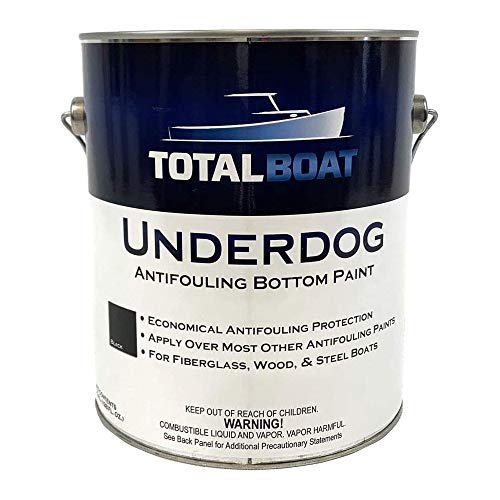
Best for: Sailboats, powerboats, and commercial vessels needing one-season protection in salt or fresh water. Suitable for fiberglass, wood, and steel hulls.
Why selected: An economical option that releases fresh biocide as water moves under the boat, minimizing barnacle and mussel adhesion while reducing paint buildup over time.
Limitations: Requires proper surface preparation and reapplication at season end or as performance dictates. Not a copper-based formula, so color brightness is a noted advantage for copper-free options.
Rust-Oleum Marine Flat Boat Bottom Antifouling Paint

Best for: Boats with fiberglass, wood, or steel hulls needing a copper-based antifouling solution. Suitable for general below-waterline protection.
Why selected: The product is formulated to slowly release copper, helping prevent fouling while allowing a straightforward recoating process. It suits varied hull materials with a simple maintenance cycle.
Limitations: Recoat timing and surface prep are essential; copper-based coatings may interact with certain metals or marina requirements—verify compatibility before use.
TotalBoat JD Select Ablative Antifouling Bottom Paint

Best for: Boats that value a self-polishing coating with reduced bottom paint buildup, especially in longer seasons or high-use scenarios.
Why selected: The ablative coating wears away as the boat moves, reducing buildup and making future maintenance easier. It’s compatible with fiberglass, wood, and steel for broad application.
Limitations: Requires burnishing or smoothing for optimal speed and fuel efficiency, and proper preparation aids adhesion and longevity.
Buying Guide: Key Purchase Considerations
Do you need a cleaner or an antifouling paint? If your goal is to remove old paint and deposits, opt for a dedicated hull cleaner that matches your surface type. For prevention, choose an antifouling coating tailored to your boat’s material and typical water conditions.
- Surface compatibility: Confirm fiber types (fiberglass, wood, metal) and any painted surfaces before applying cleaners or coatings.
- Water chemistry: Saltwater vs. freshwater performance affects antifouling longevity and cleaning efficiency.
- Season timing: Ablative paints wear away with use; plan maintenance around launch windows and haul-out cycles.
- Environmental and marina rules: Low-VOC or water-based formulas are often preferred in marinas with restrictions.
- Application routine: Gel cleaners are good for vertical surfaces; smooth finish paints may require more prep and burnishing for best results.
- Safety: Follow manufacturer instructions for ventilation, protective gear, and splash exposure.
Frequently Asked Questions
- What is the best method to remove bottom paint before repainting?
Answer: Start with a dedicated hull cleaner to loosen deposits, then scrub or rinse according to the product directions. For stubborn areas, repeat applications may be needed. - Can I use antifouling paint on any hull material?
Answer: Check the product label for material compatibility (fiberglass, wood, steel, aluminum). Some paints are formulated for specific substrates. - How often should I recoat antifouling paint?
Answer: It varies by product and usage. Ablative coatings wear away with water movement; non-ablative coatings may require different maintenance schedules. - Is copper-free antifouling paint safer for aluminum boats?
Answer: Copper-free formulas reduce galvanic concerns on aluminum, but verify compatibility with all metals and hardware on the vessel. - Should I remove old paint before applying new antifouling coating?
Answer: In many cases, yes. Proper removal reduces poor adhesion and uneven finishes. Follow the coating’s prep requirements. - Are water-based antifouling paints as effective as solvent-based ones?
Answer: Modern water-based formulations can offer comparable protection with lower environmental impact, though performance varies by conditions.


