
Choosing the right sea kayak tow line ensures safety, ease, and efficiency while kayaking, especially when towing or securing your kayak in open waters. Tow lines must be durable, buoyant, and resistant to harsh marine conditions. Below is a summary table of the top-rated kayak tow lines you can trust for your sea kayaking adventures.
| Product | Brand | Length & Diameter | Material Features |
|---|---|---|---|
| NRS Basic Kayak Tow Line | NRS | 50 ft x 3/16″ | Floating polypropylene rope, reflective tape, quick-release buckle |
| Obcursco Kayak Tow Line | Obcursco | 12 ft | Marine-grade PE rope, rustproof stainless steel hooks, buoy float |
| Seachoice Tow/Dock Line for PWC | SEACHOICE | 20 ft x 3/8″ | UV-protected 16-strand rope, floating, heavy-duty snap hooks |
| MOOCY Heavy Duty Float Rope | MOOCY | Variable Length, colored buoy | Marine-grade, UV and chemical resistant, high visibility colors |
| Botepon Floating Kayak Tow Rope | Botepon | 20 ft | Stainless steel clips, floating balls for visibility, quick connect |
NRS Basic Kayak Tow Line with Reflective Tape

The NRS Basic Kayak Tow Line offers a 50-foot long and 3/16-inch thick floating polypropylene rope that is perfect for sea kayaking. Its 500 denier Cordura carrying bag adds durability and portability. The line includes a heavy-duty, non-corroding plastic carabiner making it simple to attach your kayak or accessories securely. This tow line features a quick-release waist buckle that contributes to convenience and safety during towing activities. In addition, the reflective tape enhances visibility in low-light conditions, an essential feature for early mornings or dusk paddling. This model is a solid choice for kayakers prioritizing a dependable and practical tow system that floats and resists corrosion in saltwater environments.
Obcursco Kayak Tow Line with Buoy Float and Rustproof Hooks

The Obcursco Kayak Tow Line is a 12-foot marine-grade PE rope designed for durability and high resistance against the elements. Its rope resists sunlight, saltwater, moisture, oil, and rot, ensuring longevity through harsh use. The line includes rustproof heavy-duty 316 stainless steel hooks, suitable for both saltwater and freshwater use, making it a versatile option for various water adventures. Its prominent buoy float not only keeps accessories safe when dropped but also helps locate anchors quickly. This setup makes it ideal for those who want a durable towing line that doubles as an anchor rope and keeps their gear easily locatable on the water.
Seachoice Heavy-Duty Tow and Dock Line for PWC

The Seachoice Tow/Dock Line measures 20 feet in length with a 3/8-inch thickness, crafted from a strong, 16-strand UV-protected material. Specifically meant for personal watercraft, this rope floats on water and features heavy-duty snap hooks on both ends to secure kayaks or small boats effortlessly. The rope’s resistance to UV rays guarantees durability even under prolonged sunlight exposure. Its floating nature prevents it from becoming entangled or lost under your watercraft, ensuring hassle-free towing and docking applications.
MOOCY Heavy Duty Float Rope for Kayak Tow Line
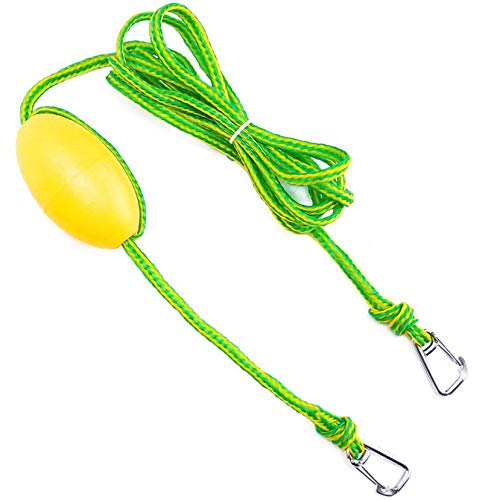
The MOOCY Heavy Duty Float Rope is designed to keep kayak accessories afloat and secure. It features marine-grade materials resistant to salt, sun, and water which protect against moisture, oil, rot, UV rays, acids, and chemicals. The rope is uniquely built with a hollow braided interlaced design preventing rotation under load and allowing easy splicing. It comes in highly visible colors like yellow and green to stand out even in low-light settings or nocturnal environments. Its strong shock absorption capabilities make it reliable for harsh sea kayaking conditions and any rope-related utility on the water.
Botepon 20FT Floating Kayak Tow Rope with Stainless Steel Clips

The Botepon Floating Kayak Tow Rope is 20 feet long and features 316 stainless steel clips offering quick and secure attachment points without the need for knots or tools. This rope is especially designed for towing kayaks, rescue operations, and group paddling. It is equipped with multiple high-visibility floating balls that prevent the line from sinking or becoming tangled under the kayak, ensuring easy retrieval and enhanced visibility in rough or murky waters. This tow rope is practical for both recreational paddling and emergency rescue situations.
Buying Guide for Sea Kayak Tow Lines
Choosing a suitable sea kayak tow line requires consideration of multiple factors to ensure safety, durability, and ease of use in marine conditions.
Material Quality and Durability
Marine-grade materials such as polypropylene and PE ropes offer resistance to UV rays, saltwater corrosion, rot, and moisture. Stainless steel or heavy-duty plastic carabiners and clips prevent rust and maintain sturdy connections over time.
Floating Capability
Tow lines that float on water are vital for avoiding entanglement with the kayak hull or other underwater obstacles. Floating ropes are easier to see and retrieve, enhancing safety and convenience.
Visibility Features
High-visibility colors and reflective materials help locate the tow line in low-light or rough water conditions, reducing the risk of losing control over your kayak or accessories.
Length and Thickness
Consider the appropriate length and diameter for your kayak type and towing needs. Longer lines provide versatility, but excessive length might be cumbersome. Thicker ropes generally offer higher tensile strength but may be less flexible for storage.
Attachment Mechanisms
Fast, secure, and corrosion-resistant attachments such as quick-release waist buckles, clips, or carabiners are essential for ease of use and reliability during towing or rescue operations.
Multi-Functionality
Some tow lines can double as anchor lines or accessories holders, which adds value. Buoyancy floats or marker balls further enhance the utility of these ropes by preventing loss in water.
By evaluating these key aspects, you can select a sea kayak tow line that maximizes safety, functionality, and longevity on all your paddling adventures.