As an Amazon Associate I earn from qualifying purchases. These links may earn this site a commission when you buy, at no extra cost to you.
Direct answer for buyers: if you want a durable, low-friction, low-maintenance bottom coating, choose epoxy-based slick bottom coatings for long-lasting protection, or ablative antifouling paints for ongoing self-polishing performance. This guide compares five top options to fit different boat types, water conditions, and maintenance preferences. It highlights who each product is best for and why, plus practical cautions to consider before purchase.
| Product | Best For | Notes |
|---|---|---|
| Fasco Epoxies Super Slick 2000 Epoxy Bottom Coating (Quart) | Fiberglass and light-duty boats needing a slick, hard epoxy coat | Small kit; good for touch-ups |
| Fasco Epoxies Super Slick 2000 Epoxy Bottom Coating (Gallon) | Larger boats or higher usage environments | More economical per square foot |
| TotalBoat JD Select Ablative Antifouling (Quart) | Saltwater or high-fouling areas; frequent use | Self-polishing with season-long performance |
| SENVEN Boat Paint 35 Oz (Gloss, All-in-One) | Topside, bottom, and waterline on mixed surfaces | All-in-one versatile option |
| TotalBoat Underdog Marine Antifouling (Gallon) | Economical, single-season protection | Good for frequent trailering or varying waters |
Fasco Epoxies Super Slick 2000 Epoxy Bottom Coating — Quart Kit
Fasco Epoxies Super Slick 2000 Epoxy Bottom Coating — Quart Kit provides a hard, slick epoxy finish designed for airboats, jet skis, and similar craft. The quart kit is ideal for smaller boats or touch-ups, while the gallon option suits larger vessels or higher-traffic needs. Best for boaters seeking strong abrasion resistance and a smooth final surface that reduces drag. Caution: epoxy-based coatings require proper surface prep and adequate ventilation during application.
Fasco Epoxies Super Slick 2000 Epoxy Bottom Coating — Gallon Kit extends coverage for larger boats and heavier use. It shares the same epoxy-based durability as the quart but reduces the number of applications overall. Best for boats that stay in the water longer or see repeated launches, with cautions about proper curing and ventilation during application.
TotalBoat JD Select Ablative Antifouling Bottom Paint — Quart

TotalBoat JD Select Ablative Antifouling Bottom Paint is a self-polishing coating designed to shed as the boat moves, reducing buildup and maintenance. Best for saltwater or high-fouling conditions where ongoing release of biocide under water helps keep the hull clean. Caution: not ideal for boats that stay anchored in one place for extended periods, as some coatings require movement to polish properly.
SENVEN 35 Oz Gloss Marine Boat Paint
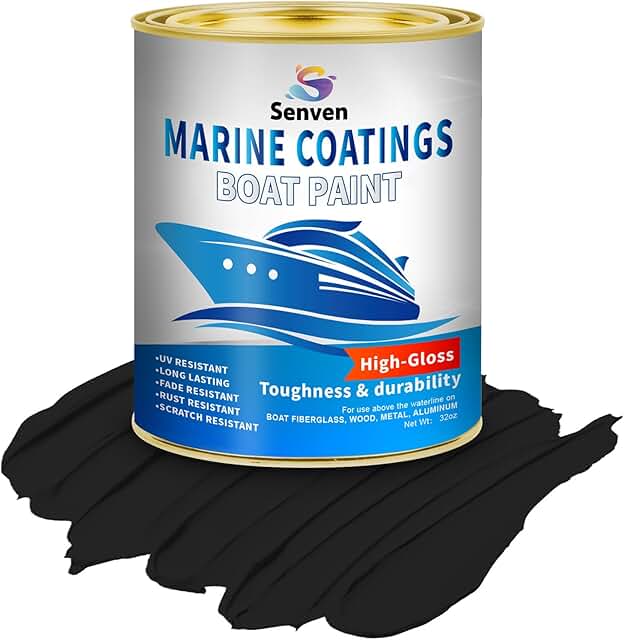
SENVEN Boat Paint 35 Oz Gloss is an all-in-one marine paint suitable for topside, bottom, and waterline on multiple substrates, including fiberglass, wood, and metal. Best for boaters seeking a versatile, high-gloss finish that adheres well to previously painted surfaces. Caution: not recommended for continuous submersion on bottoms that remain underwater for long periods.
TotalBoat Underdog Antifouling Bottom Paint — Gallon

TotalBoat Underdog Antifouling Bottom Paint offers economical, single-season protection with a copper biocide to deter barnacles and mussels. Best for boats used frequently in saltwater environments. Caution: ablative coatings wear away during the season, so expect reapplication next year to maintain protection.
Buying Guide: Key Purchase Considerations
Bottom coatings must match your boat type, water conditions, and maintenance routine. Consider these factors when choosing a slick bottom paint:
- Surface compatibility: Ensure the coating adheres to your hull material (fiberglass, wood, steel, aluminum) and existing paint.
- Water conditions: For saltwater with high biofouling, ablatives or antifouling options may perform better than inert slick coatings.
- Durability vs. maintenance: Epoxy slick coatings offer hard, durable finishes but may require more prep, while ablatives reduce buildup but wear with use.
- Application and curing: Check ventilation needs, temperature ranges, and surface prep steps. Some products need priming or sealer.
- Environmental considerations: Low VOC and easy cleanup are important for marina compliance and worker safety.
- Reapplication cycle: Ablative paints wear away with movement; epoxy coatings may require longer intervals between refresh jobs.
FAQ: Quick Answers For Buyers
- What is the difference between epoxy bottom coatings and ablative antifouling paints?
Epoxy coatings create a hard, smooth, low-friction surface, while ablative paints slowly wear away to reveal fresh biocide and reduce buildup. - Which option is best for a boat that stays mostly in saltwater?
Ablative antifouling paints are often advantageous in saltwater due to ongoing self-polishing properties, but epoxy coatings can work with proper maintenance. - Can I use these coatings on aluminum or steel hulls?
Surface compatibility depends on the product; verify the label for aluminum, steel, or composite suitability. - Is low-VOC paint a better choice for marinas?
Yes, low-VOC paints reduce fumes and environmental impact, making them preferable in restricted marinas. - How often should I recoat?
Recoat intervals vary by product: ablatives wear seasonally; epoxies may last multiple seasons with proper prep. - Do these coatings require professional application?
Many can be applied by DIY enthusiasts, but follow manufacturer instructions for best results and safety.


