As an Amazon Associate I earn from qualifying purchases. These links may earn this site a commission when you buy, at no extra cost to you.
Answer: The best small electric motors for kayaks combine lightweight design, corrosion resistance, and battery efficiency to extend your time on the water. These models are ideal for solo paddlers, recreational kayakers, and anglers who want a compact, reliable boost without adding much weight. This guide highlights five top options suited for different budgets and use cases, from portable transom-mount motors to high-efficiency kayak-specific drives. Below is a quick summary table of the chosen products to compare key traits at a glance.
| Product | Thrust / Power | Mount Type | Best For |
|---|---|---|---|
| Newport NV-Series 36lb Thrust | 36 lb | Transom | Lightweight setups; saltwater/kayak use |
| Minn Kota Endura C2 Transom-Mount | 30 lb | Transom | Reliable control for freshwater lakes |
| Newport NK300 Electric Kayak Motor | 1300W peak | Brand-specific mount | High-efficiency, long range |
| Newport Kayak Series 55lb Thrust | 55 lb | Transom | Heavier seas, stronger push |
| CuttleJet Mini V2 Stand Up Paddle Board Motor | Up to 4 mph | Fin-mounted | SUP or kayak propulsion; portable |
Newport NV-Series 36lb Thrust Trolling Motor

The Newport NV-Series 36lb thrust trolling motor is designed for small craft, providing quiet, efficient propulsion for kayaks, canoes, and inflatables. It supports 12V or 24V configurations, with a corrosion-resistant build suited to saltwater and freshwater use. The 30-inch shaft helps accommodate different boat heights and paddling preferences. Best for light, portable setups where battery life and ease of transport matter most. A potential limitation is that higher-thrust needs may require larger batteries or a different model for extended trips.
Best for: Solo kayakers and small boats seeking a compact, reliable electric boost for calm waters or light chop. This motor balances weight and efficiency for longer outings with minimal water resistance.
What you’ll appreciate: Quiet operation, saltwater-rated construction, and a two-blade propeller optimized for battery life while maintaining steady speed. The LED battery indicator helps monitor power during longer paddles.
Limitations to note: Less thrust than larger transom motors; not ideal for heavy seas or long-range expeditions without planning for extra battery capacity.
Minn Kota Endura C2 Transom-Mount Electric Trolling Motor
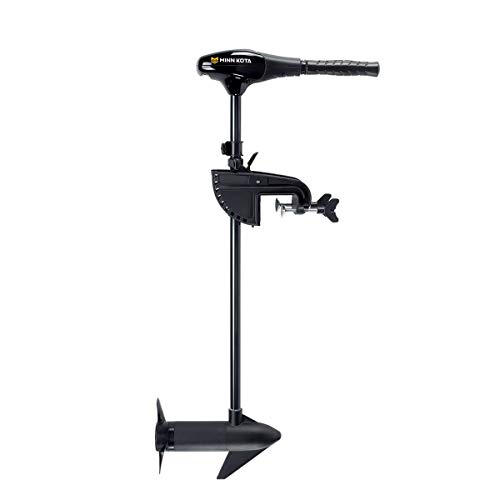
The Minn Kota Endura C2 is a proven, freshwater-focused transom-mount motor with a 30 lb thrust. It features a 6-inch telescoping tiller for comfortable control, a push-to-test battery meter, and a 10-position lever lock bracket for easy angle adjustments. The reinforced composite construction resists flexing and UV damage, supporting durable performance on long fishing trips. A caution is that it’s primarily optimized for freshwater use and may require additional corrosion protection or different hardware for extensive saltwater use.
Best for: Anglers fishing inland lakes or rivers who want straightforward control and robust durability in a compact, cost-effective package.
What you’ll appreciate: Easy mounting, simple tilt adjustments, and a reliable power indicator to track charge levels during trips.
Limitations to note: Saltwater performance is not its primary focus; consider a saltwater-rated alternative if you pursue coastal or brackish waters frequently.
Newport NK300 Electric Kayak Motor

The Newport NK300 delivers 1300W peak power (3HP equivalent) with a kayak-oriented design that keeps weight around 25.5 pounds. It boasts up to 66 miles of range and up to 30 hours of run time on a suitable battery, making it a strong choice for anglers and explorers who need extended reach without frequent recharging. It’s optimized for kayak use, ensuring compatibility and ease of mounting. A potential limitation is that it requires a 36V battery system, which can affect upfront costs and battery availability.
Best for: Serious kayakers and anglers who prioritize range, efficiency, and a lighter overall setup compared to heavier motors.
What you’ll appreciate: High efficiency and long-range capability, designed specifically for kayak configurations and compact mounting needs.
Limitations to note: Higher voltage system may require compatible batteries and charging gear, increasing initial setup complexity.
Newport Kayak Series 55lb Thrust Transom Motor
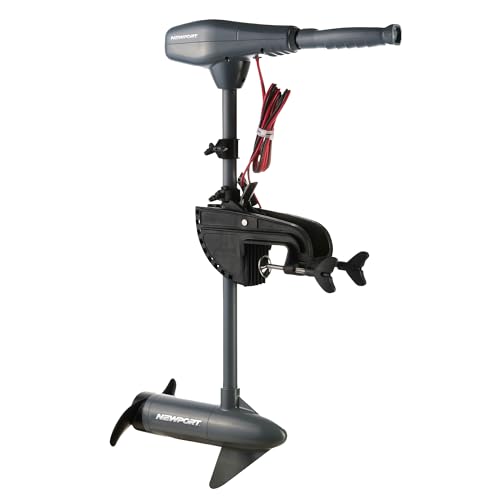
The 55 lb Newport Kayak Series motor offers robust thrust for heavier loads or stronger currents. It uses an all-aluminum motor head with corrosion-resistant hardware designed for saltwater use, and a 24-inch fiberglass shaft that accommodates deeper mounting as needed. This model is best for larger kayaks or choppier conditions where extra push helps maintain control. A limitation is the higher weight and power draw, which can reduce battery runtime on extended trips.
Best for: Paddlers in stronger currents or saltwater environments who need reliable acceleration and control with a durable build.
What you’ll appreciate: Saltwater-ready construction, longer shaft for variable depth placement, and strong overall propulsion for tough water conditions.
Limitations to note: Heavier than smaller models; may require bigger batteries or higher-capacity packs for extended use.
CuttleJet Mini V2 – SUP/Kayak Fin Motor

The CuttleJet Mini V2 is a compact fin motor designed for SUPs, kayaks, and small boards. It provides up to about 4 mph propulsion with a 10L waterproof battery bag, and a wireless remote control for on/off operation. The setup is lightweight and easy to attach to fins, offering a flexible propulsion option for paddlers seeking extra speed on flat water or upstream currents. A limitation is that it relies on a separate battery bag and may have lower thrust compared to dedicated transom motors on heavy boats.
Best for: Stand-up paddleboarders and casual kayakers who want an easy, portable booster without a heavy engine footprint.
What you’ll appreciate: Wireless control and a waterproof battery bag design for all-day use and quick swaps between sessions.
Limitations to note: Lower thrust than transom motors; not ideal for deep water or rough conditions requiring high push.
Buying Guide: How to Choose a Small Electric Kayak Motor
What kind of water and activities will you use it for?
For calm lakes and short, shallow trips, light to medium thrust motors are often sufficient. For saltwater kayaking or fast currents, a higher-thrust, corrosion-resistant model provides more reliability and control.
What mounting type fits your boat?
Transom-mounted motors are common on sit-on-top kayaks and small boats. Fin/inline options suit SUPs and some compact kayaks. Consider shaft length and mounting hardware to ensure proper depth and clearance.
How important is battery life and weight?
Battery capacity and voltage determine run time. Higher-thrust models may require larger packs, which adds weight. Balance weight, onboard space, and expected trip duration when choosing a setup.
Is saltwater performance a priority?
Cruise environments demand corrosion-resistant materials and hardware. Choose motors with sealed housings, magnesium/stainless components, and saltwater-rated coatings for longevity.
What are your power and speed expectations?
Speeds on small motors are limited, but acceleration and control matter more in maneuvering. If you need longer reach, target models with higher efficiency and longer range per charge.
Installation and maintenance considerations
Look for motors with straightforward mounting, accessible bolt patterns, and easy-to-replace propellers. Regular maintenance of seals and electrical contacts extends motor life in harsh marine environments.
Frequently Asked Questions
- What is a typical weight for a kayak motor setup? Most compact kayak motors range from about 8 to 40 pounds depending on thrust, shaft length, and mounting hardware.
- Do I need a special battery for a kayak motor? Yes, most motors require a compatible lead-acid or lithium battery matching the voltage and discharge needs of the motor. Check manufacturer guidance for safety.
- Can I use a saltwater motor in freshwater? Saltwater-rated motors tolerate salt environments but may require extra maintenance in freshwater to prevent mineral buildup.
- Is a higher thrust always better? Not necessarily; higher thrust improves acceleration and planing at heavier loads but drains battery faster. Choose based on boat weight and typical water conditions.
- How do I extend battery life on kayak motors? Use efficient speeds, properly maintain batteries, and ensure proper shaft alignment to reduce drag. Consider a higher voltage system if range is critical.
- Do these motors require professional installation? Most small kayak motors are designed for DIY mounting, though professional help is recommended for complex electrical setups or saltwater installations.


