
Answering the buyer’s search for the best trolling motor for a 20 ft boat, this guide highlights five well-suited options. Each model targets common 20 ft boat setups, including freshwater and saltwater use, ease of installation, and reliable control. The top picks vary by thrust, shaft length, and mounting style to fit different fishing styles and boat configurations. Best for anglers who want solid control, easy maneuverability, and durable construction in marine environments.
Summary table of selected products:
- Endura C2 30 lb, 30″ shaft — Transom-mount, freshwater, lightweight and easy to deploy.
- Newport NV-Series 55 lb, 30″ shaft — Transom-mount, saltwater capable, higher thrust for larger boats.
- Endura C2 40 lb, 36″ shaft — Transom-mount, stronger thrust, longer reach for bigger boats or deeper water.
- Edge Bow-Mount 45 lb, 36″ shaft — Bow-mount with foot pedal for precise control on 20 ft hulls.
- Newport NV-Series 36 lb, 30″ shaft — Compact, lightweight option for smaller setups or kayak-style applications.
Minn Kota Endura C2 Transom-Mount Electric Trolling Motor — 30 Lb Thrust
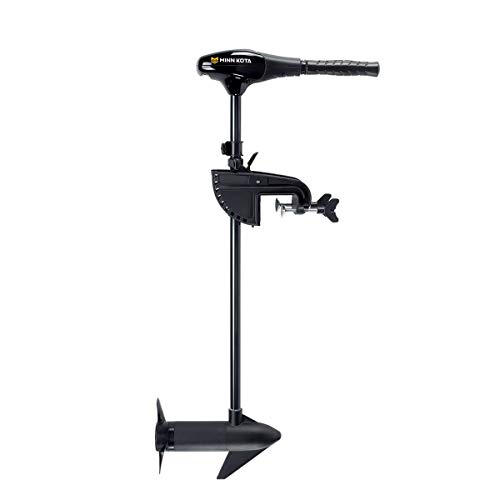
Best for light boats and shallow-water setups where easy handling matters. This model includes a 6-inch telescoping tiller for comfortable control and a push-to-test battery meter on the motor head. A 10-position lever-lock bracket helps secure the motor angle, and the reinforced composite construction provides durability against UV exposure and marine conditions. The Power Prop is designed for heavy vegetation, supplying extra thrust when navigating through thick cover. Suitable for anglers needing a compact, reliable push-to-test option on a 20 ft boat. Caution: Limited thrust may be less effective in strong currents or windy days on larger hulls.
Newport NV-Series 55lb Thrust Saltwater Transom Mounted Trolling Motor

Best for boats where higher thrust is beneficial and saltwater exposure is likely. This 55 lb thrust model runs efficiently with eight speeds (five forward, three reverse) and a 30″ shaft. It features a 5-LED battery meter, a 6″ telescoping tiller, and a 3-blade propeller designed to deliver low-end torque for quick planing. The mount angle, height, and direction are adjustable and lockable. Best for larger 20 ft boats or deeper-water fishing where more power helps maintain position. Caution: Heavier unit may draw more battery power and require a larger mounting bracket in some transoms.
Minn Kota Endura C2 Transom-Mount Electric Trolling Motor — 40 Lb Thrust
Best for mid-size to larger 20 ft boats requiring more thrust without moving to a bow-mount. This Endura C2 offers 40 lb of thrust, a 36″ shaft, and the same durability features as the 30 lb version, including a telescoping tiller and a heavy-duty prop for vegetation. The 36″ shaft helps reach through deeper water to maintain steering control. Choose this if you frequently fish in heavier cover or need faster boat response. Caution: Heavier weight than the 30 lb version can affect motor balance on smaller transoms.
Minn Kota Edge Bow-Mount Electric Trolling Motor — 45 Lb Thrust
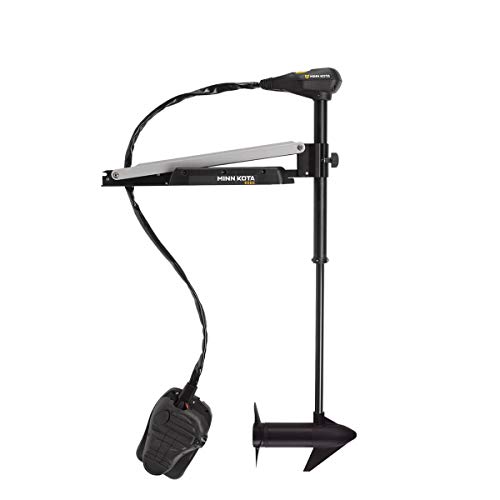
Best for bow-mount configurations on 20 ft boats where precise control from a foot pedal is valuable. The Edge Bow-Mount includes a heel-toe/cable-steer foot pedal with speed control and both momentary and constant on/off settings. A latch and door bracket aids easy stowage at the end of trips, while an integrated directional indicator keeps the operator oriented. This setup is ideal for anglers who want hands-free steering on a versatile boat. Caution: Bow-mount installation typically requires appropriate mounting hardware and space on the bow for full deployment and tip clearance.
Newport NV-Series 36lb Thrust Trolling Motor 12V — Saltwater Transom Mount
Best for lightweight setups where battery efficiency and portability matter. The 36 lb thrust model is suited for small boats, kayaks, canoes, or inflatable crafts. It features a 30″ shaft and a built-in LED battery indicator. The motor is designed for quiet operation in both saltwater and freshwater environments, helping with stealthy approaches to fishing spots. Caution: Lower thrust may require longer run times to achieve desired speed on bigger 20 ft hulls, especially in wind or current.
Buying Guide: Key Purchase Considerations
- Larger 20 ft boats benefit from higher-thrust motors (40–55 lb) to maintain speed and position, especially in wind or current. Lighter setups can manage with 30–36 lb models.
- Transom mounts work well for boats with flat transoms or existing trolling motor brackets. Bow-mounts offer precise control but require space and proper mounting considerations on the bow.
- Longer shafts (36″) help keep the propeller in the water at deeper hulls and in chop. Shorter shafts (30″) suit shallow water or smaller hulls.
- Models with efficient props and 2- or 3-blade designs extend battery life, which is key for all-day trips on smaller boats.
- Telescoping tillers and foot pedals improve comfort and control. GPS features (for bow-mount models) provide hands-free positioning but add cost and complexity.
- Saltwater-rated motors include corrosion-resistant components. If you fish brackish or saltwater, prioritize models explicitly built for saltwater.
- Look for reinforced composite construction and weatherproof seals to resist warping, UV damage, and moisture intrusion.
Frequently Asked Questions
- What thrust do I need for a 20 ft boat? For typical 20 ft boats, 30–55 lb thrust is common, with higher thrust preferred in windy conditions or heavier boats.
- Is a bow-mount better than a transom-mount? Bow-mounts offer more precise control, especially for long-range trolling, while transom-mounts are generally easier to install and lighter.
- Do I need a 30″ or 36″ shaft? Use a 30″ shaft for shallow water or smaller boats; a 36″ shaft helps keep the propeller in clean water on deeper or heavier boats.
- Are saltwater trolling motors worth it? Yes, for boats used in salty environments, corrosion resistance extends motor life and performance.
- Can I upgrade an older trolling motor on my 20 ft boat? Yes, but ensure compatibility with your mounting bracket, shaft length, and wiring. Check the manufacturer’s recommendations.
- What maintenance is required? Regularly inspect for corrosion, keep propeller clear of vegetation, and test the battery meter and controls before trips.