As an Amazon Associate I earn from qualifying purchases. These links may earn this site a commission when you buy, at no extra cost to you.
If you need a vertical boat fuel tank, this guide highlights top-value options well-suited for different boat sizes and fuel needs. The list focuses on durability, compatibility with marine fittings, and practical features like built-in gauges or easy mounting. Ideal buyers include: anglers needing reliable transfer tanks, weekend boaters seeking compact capacity, and DIY enthusiasts installing tanks in small cabins or under seats.
Summary of selected products:
| Product | Capacity | Best For | Key Feature |
|---|---|---|---|
| JSD 10 Gallon Vertical Aluminum Tank | 10 gal | larger tanks, rugged outdoor use | Durable aluminum, easy mounting |
| JSD 2.13 Gallon Vertical Aluminum Tank | 2.13 gal | compact spaces, lightweight setups | Integrated level gauge |
| JSD 1.25 Gallon Auxiliary Tank | 1.25 gal | auxiliary needs, small boats | Integrated level gauge |
| JSD 4.5 Gallon Spun Aluminum Tank | 4.5 gal | round tank option, universal mounting | Easy-mount brackets |
| VEVOR 3.17-Gallon Tank | 3.17 gal | portable transfers, compact storage | 9.8 ft hose, high-density material |
JSD 10 Gallon Vertical Aluminum Fuel Tank

Capacity and construction are tuned for heavy-duty marine and outdoor work. Best for boats that need extended run time between fills or for users who prioritize a rugged aluminum build over plastic alternatives.
- Best for: larger vessels and outdoor power setups requiring corrosion-resistant aluminum.
- Why selected: strong, durable alloy designed to withstand marine and off-road conditions.
- Limitation: heavier than smaller tanks, which may affect mounting options on compact craft.
JSD 2.13 Gallons Vertical Aluminum Tank

Smaller footprint with a built-in level gauge helps monitor fuel levels at a glance. It’s well-suited for mid-size boats or auxiliary fuel needs on larger craft.
- Best for: boats requiring compact vertical tanks without sacrificing monitoring clarity.
- Why selected: integrated gauge reduces guesswork on fuel levels.
- Limitation: limited capacity may necessitate more frequent refueling on long trips.
JSD 1.25 Gallons Auxiliary Vertical Tank
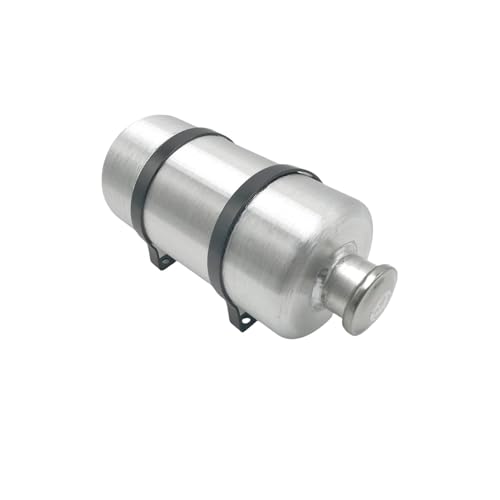
Designed as an auxiliary supply, this compact aluminum tank is ideal for tight spaces on small boats or as a secondary fuel source on larger vessels.
- Best for: adding an extra reserve on compact boats or rental craft.
- Why selected: small size fits under seats or in lockers; aluminum construction adds durability.
- Limitation: low capacity means limited endurance between fills.
JSD 4.5 Gallons Spun Aluminum Tank

Round, spun aluminum design with universal mounting brackets makes this a flexible choice for a variety of boat layouts and deck installations.
- Best for: boats needing a mid-size, easy-to-mount tank with a rounded profile.
- Why selected: robust mounting system aids in secure installation on multiple hull layouts.
- Limitation: round tanks may require different mounting hardware than rectangular models.
VEVOR Boat Fuel Tank, 3.17-Gallon

High-density polyethylene construction offers resistance to aging, impact, and corrosion, with a long hose for easy reach and flexibility in installation.
- Best for: portable transfer on small to mid-sized boats where space is limited.
- Why selected: combination of portability and long fueling hose simplifies access to fittings.
- Limitation: plastic tanks may be more susceptible to UV aging if left in direct sun for extended periods; avoid excess sun exposure.
Buying Guide
Key considerations help you pick the right vertical boat fuel tank for your vessel and usage patterns.
- Capacity vs. space: Larger tanks extend run time but require more mounting space and weight management. Consider whether your boat’s storage and weight limits allow the larger 10-gallon option or if compact 1.25–3.17 gallon tanks better fit your cabin or under-seat area.
- Material choice: Aluminum tanks offer durability and corrosion resistance, while high-density polyethylene tanks emphasize lightweight portability. Aluminum suits rugged outdoor use; polyethylene suits lightweight, transport-friendly needs.
- Fittings and compatibility: Look for 1/4″ NPT outlets and standard fittings to match common marine connectors. Some models include integrated level gauges for quick fuel checks without opening lids.
- Mounting and installation: Tanks with included mounting brackets or universal brackets simplify installation. Ensure you have space for brackets and that brackets are corrosion-resistant for marine environments.
- Ventilation and safety: If choosing a portable can, consider features like vented caps and anti-siphon designs to reduce vapor buildup and prevent fuel loss.
- Maintenance and aging: Aluminum tolerates outdoor exposure but can be heavier; plastic tanks are lighter but may require more care to avoid UV damage and cracking from impacts.
FAQ
- Q: Which vertical boat fuel tank is best for a small fishing boat? A: The 1.25–2.13 gallon aluminum tanks are ideal for small boats where space and weight are at a premium, while still offering a visible fuel level gauge on some models.
- Q: Do these tanks require professional installation? A: Some users can install them with basic tools and mounting hardware, but follow manufacturer guidelines and local marine regulations if unsure.
- Q: Are anti-siphon features common in these tanks? A: Anti-siphon fittings are more commonly found with dedicated valve assemblies; verify the included components or compatible fittings for your installation.
- Q: Can I use these tanks with diesel or ethanol blends? A: Check the material and compatibility notes for each model; some tanks are rated for common fuel blends used in marine applications.
- Q: What maintenance is required for aluminum tanks? A: Regular cleaning and inspection for corrosion or mounting wear, especially after exposure to saltwater environments.
- Q: Is a built-in fuel gauge important? A: A built-in gauge helps prevent fuel shortages and reduces guesswork, which is especially useful on longer trips or when space is tight.


