As an Amazon Associate I earn from qualifying purchases. These links may earn this site a commission when you buy, at no extra cost to you.
Answering the search intent for affordable, easy-to-use wireless kayak trolling motors. This guide helps kayakers choose a motor that provides hands-free control, reliable propulsion, and simple installation. The top picks are suited for different user types: casual paddlers seeking lightweight, portable options; anglers needing precise positioning; and saltwater explorers requiring corrosion resistance. Below is a concise product comparison and a practical buying guide to help you decide which motor best fits your kayak, budget, and water conditions.
Product Snapshot
| Product | Thrust | ||||
|---|---|---|---|---|---|
| Newport Kayak Series 55lb | 55 lb | 24″ | Saltwater | High thrust, durable hardware | Heavy kayaks, saltwater use |
| AQUOS CaymanT 55lb | 55 lb | 26″ | Saltwater & Freshwater | Wireless remote, versatile speed | Remote-controlled steering |
| Minn Kota Terrova 55lb | 55 lb | 36″ | Freshwater | GPS with Spot-Lock, auto park | Fishing with position hold |
| Garmin Force Current | See features | — | Various | Wireless integration, low clutter | Hands-free with wireless control |
| Newport NV-Series 36lb | 36 lb | 30″ | Saltwater & Freshwater | Lightweight, efficient 2-blade prop | Lighter setups, portability |
Newport Kayak Series 55lb Thrust Transom Motor
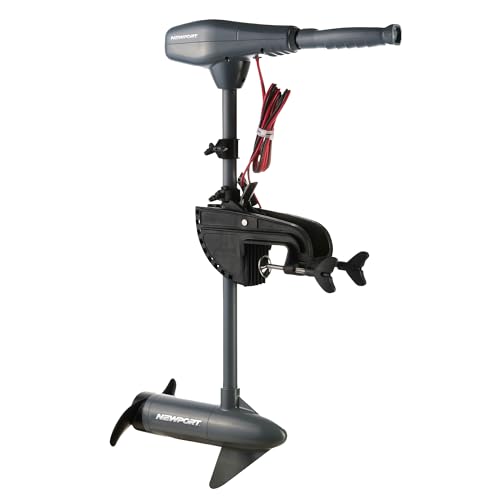
Key features include a 24-inch kayak shaft for flexible depth placement, eight-speed control (five forward, three reverse), and a saltwater-rated motor head with corrosion-resistant hardware. This model is best for heavier kayaks and saltwater environments where robust aluminum construction matters. A potential limitation is the longer shaft that may require careful depth adjustment on shallow water.
AQUOS Haswing CaymanT 55lb, 26-Inch Shaft

Includes wireless remote for precise control, saltwater and freshwater suitability, and one-way stepless speed control. Best for anglers who want a compact bow-mount with handheld remote and easy depth adjustment. Caution: remote range may vary by conditions, and the depth tilt is essential for optimal performance in changing waters.
Minn Kota Terrova Bow-Mount 55lb

Offers advanced GPS navigation with Spot-Lock, auto park features, and Digital Maximizer for extended battery life. This motor is ideal for anglers who value precise positioning and hands-free control via micro remote or app. Limitations include higher complexity and potential need for compatible mounting hardware on some kayaks.
Garmin Force Current Kayak Motor

Renowned for reliable performance, this model supports wireless integration with compatible pedal systems and handheld remotes. Best for kayaks that prioritize minimal deck clutter and flexible installation. Caution: setup may require additional components for full hands-free capability with certain bundles.
Minn Kota Endura C2 Transom-Mount 30lb
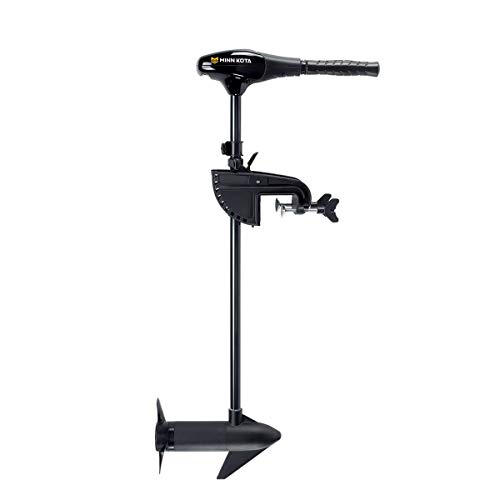
Features a 6-inch telescoping tiller, a 10-position lever lock, and a Power Prop designed for heavy vegetation. Best for budget-conscious buyers who need dependable performance and easy installation. Better for smaller boats with lighter loads; may struggle in dense vegetation compared to higher-end models.
Newport NV-Series 36lb 12V

Lightweight, saltwater-capable, and featuring an efficient 2-blade propeller for longer battery life. Best for kayaks and small boats where weight matters. Limitation: lower thrust compared to 55-lb motors, which may require larger batteries or slower speeds in windy conditions.
Buying Guide: Key Considerations for Wireless Kayak Trolling Motors
What should you evaluate before buying? Thrust must match your kayak size and typical load. Shaft length affects depth, depth adjustment, and clearance in shallow water. Wireless control vs. foot pedals depends on preferred control style and installation complexity. Saltwater suitability increases longevity in brackish or ocean environments. Battery compatibility and energy efficiency affect runtime and weight.
How do I choose the right thrust?
For lightweight kayaks and calm water, 30-36 lb thrust can be sufficient. For larger paddlers, heavier kayaks, or stronger currents, 55 lb offers more propulsive power. In saltwater, corrosion resistance adds value, making higher-thrust, saltwater-rated models appealing.
Is wireless control essential?
Wireless control reduces cockpit clutter and allows hands-free steering. If you prioritize minimal setup, choose a motor with integrated wireless remote. If you already use foot pedals or a pedal-based system, ensure compatibility with your kayak setup.
What about installation and compatibility?
Bow-mount and transom-mount options are common. Check shaft length relative to kayak beam and seating height. Verify that the mounting hardware fits your kayak transom or bow area, and confirm whether additional brackets or adapters are needed.
What is the maintenance implication?
Corrosion resistance matters in saltwater use. Regular cleaning and ensuring electronics are waterproofed prolongs life. Remote batteries and electronics should be kept charged and dry when not in use.
Short FAQ
- What is the typical range for wireless remotes? Range varies by model; some remotes operate up to several hundred feet under typical conditions.
- Can I upgrade an existing kayak with a wireless trolling motor? Yes, many transom-mount models are designed for straightforward installation on compatible kayaks.
- Is GPS with spot-lock available for kayaks? Some models offer GPS positioning features, useful for hold and precise maneuvering.
- Do all models require a dedicated battery? Most 12V systems use compatible lead-acid or lithium batteries; confirm voltage and capacity for your needs.
- Are universal remote controls available? Some brands offer universal remotes or bundles; verify compatibility with your motor.


